
Last updated September 10, 2026
Level 1 sweep and inspection to the NFPA 211 annual standard - flue, crown, cap, and flashing checked and photographed
Chimney sweep logs do not sweep chimneys. They loosen some creosote - which then falls where a brush and vacuum still have to collect it.
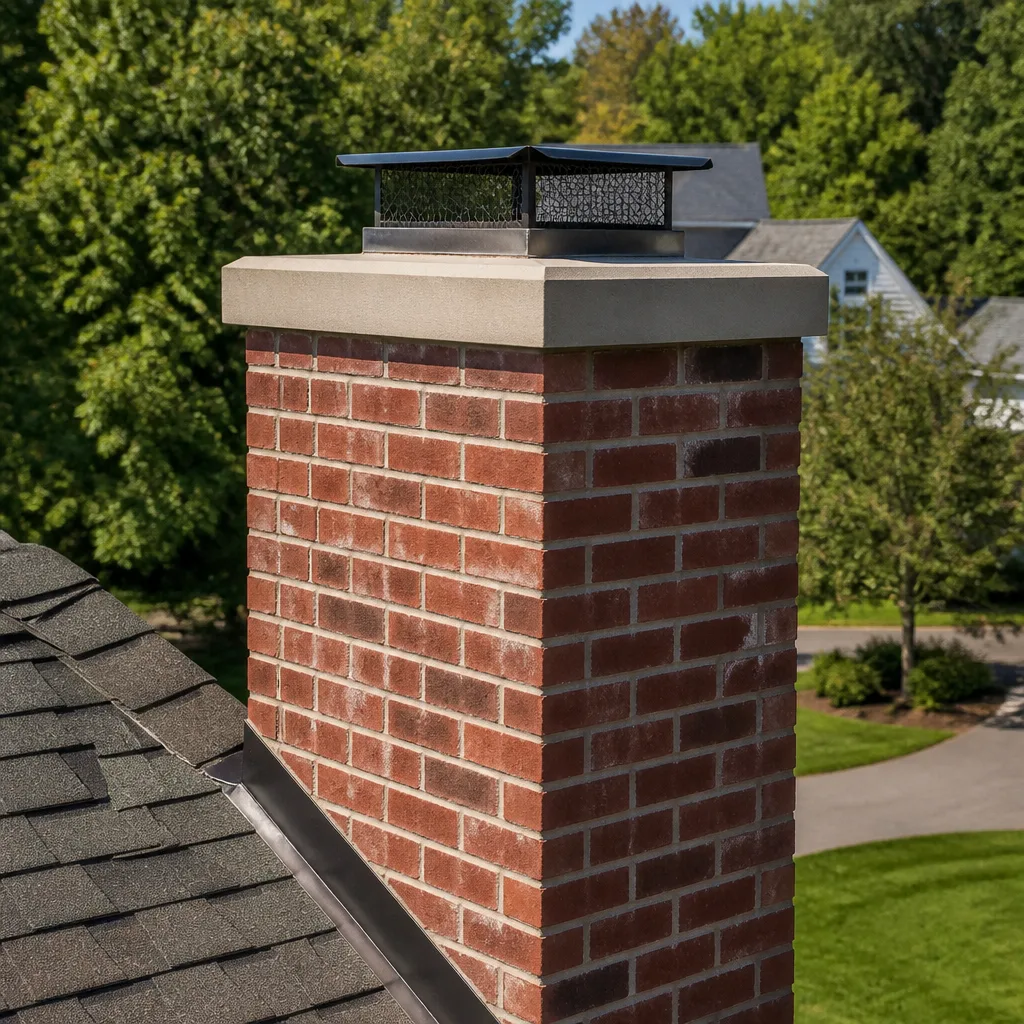
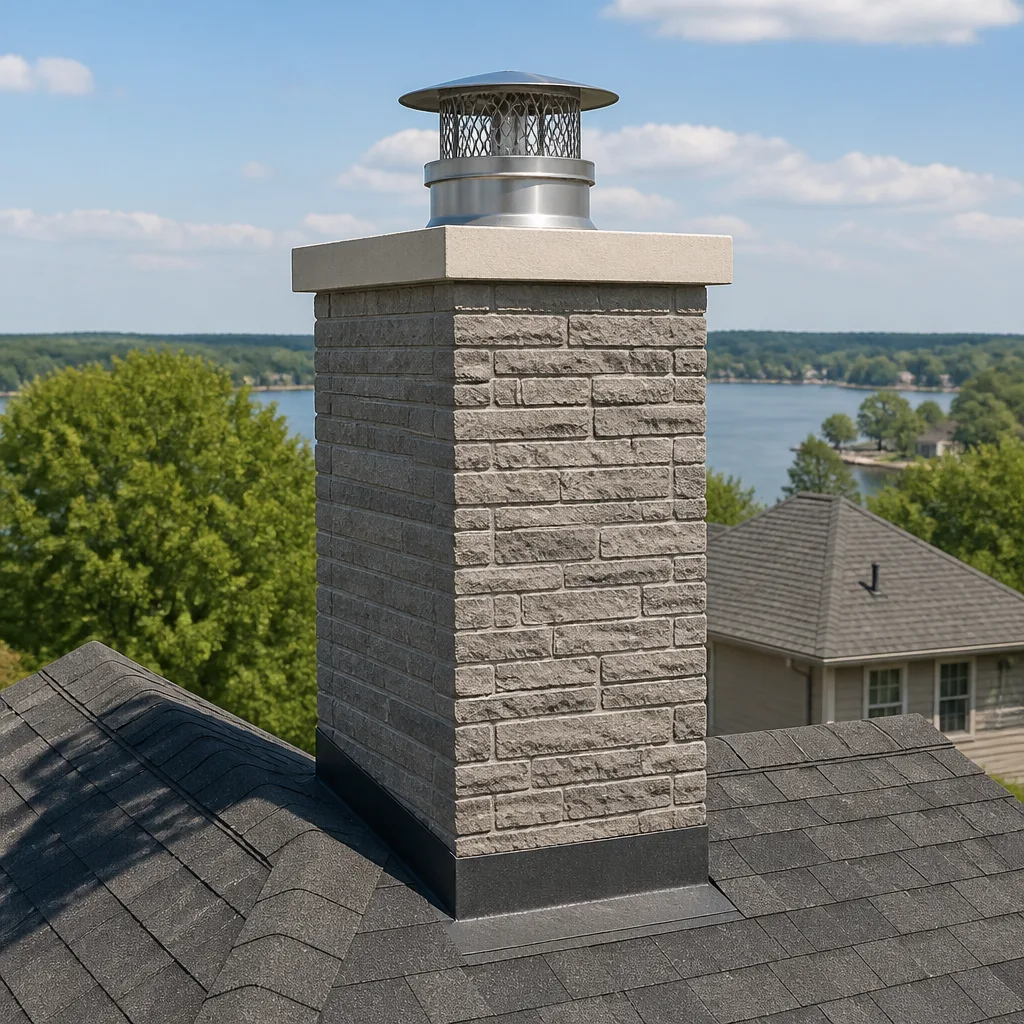
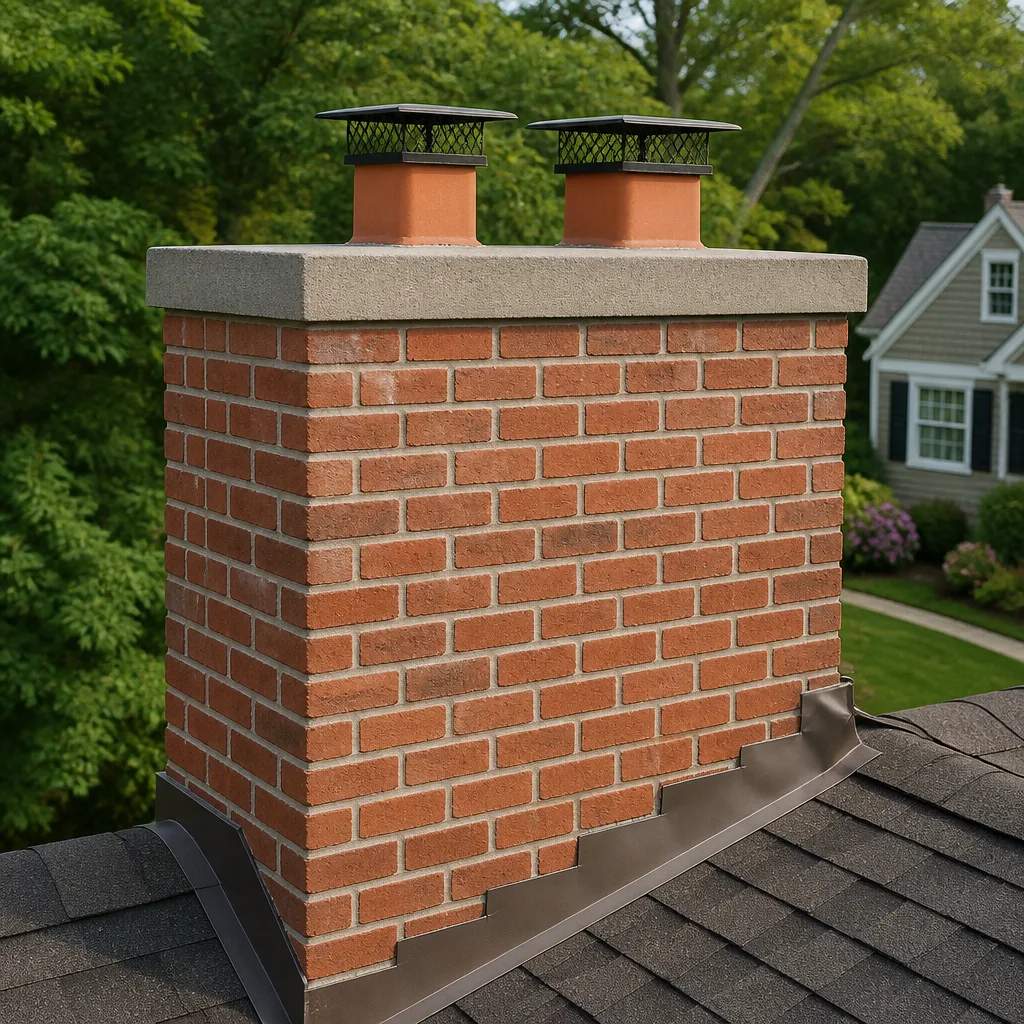
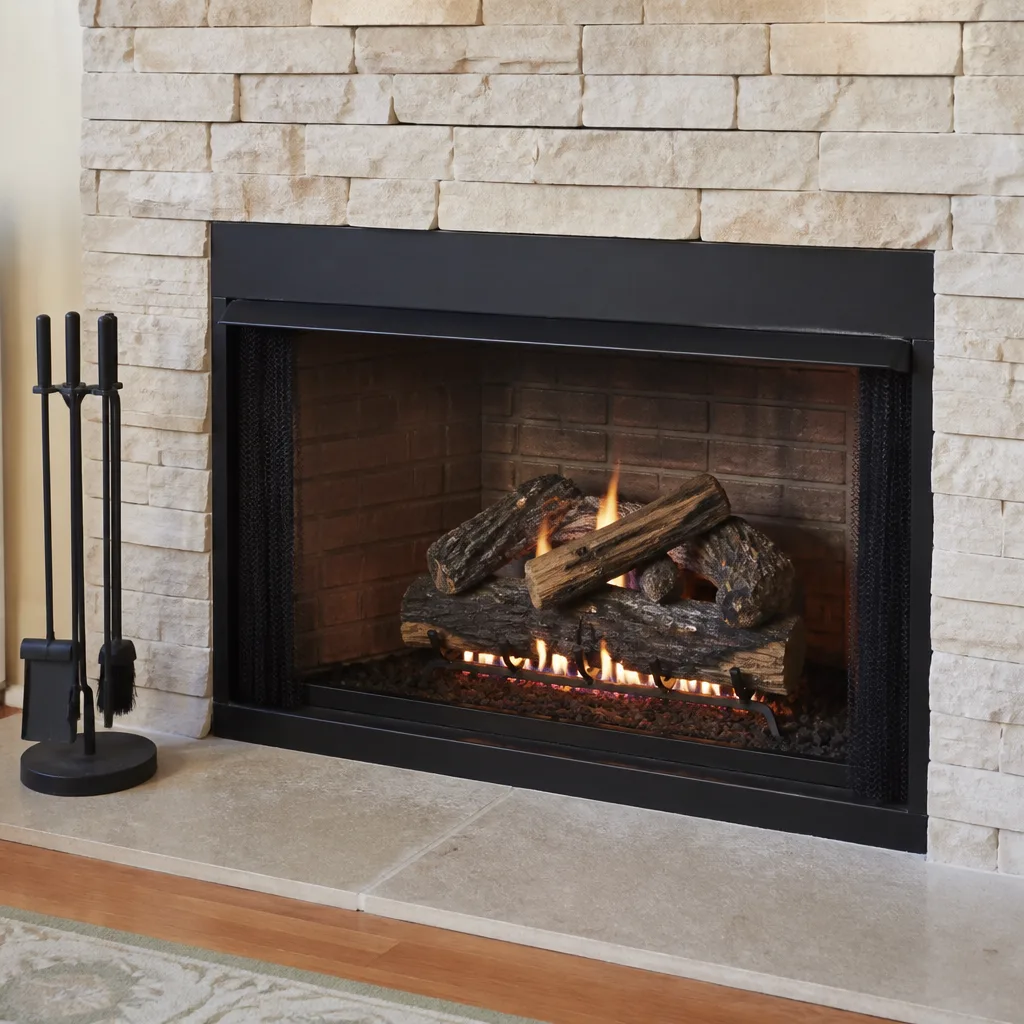
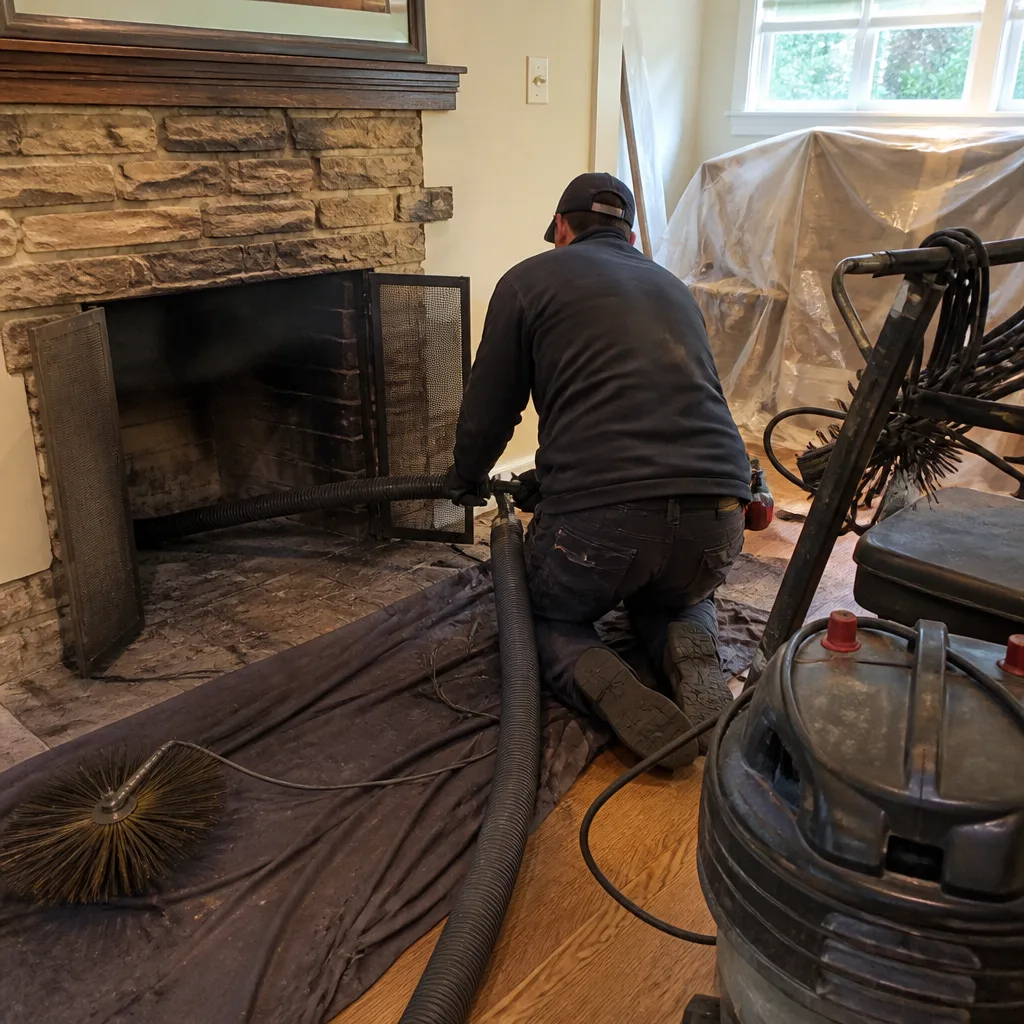 Before
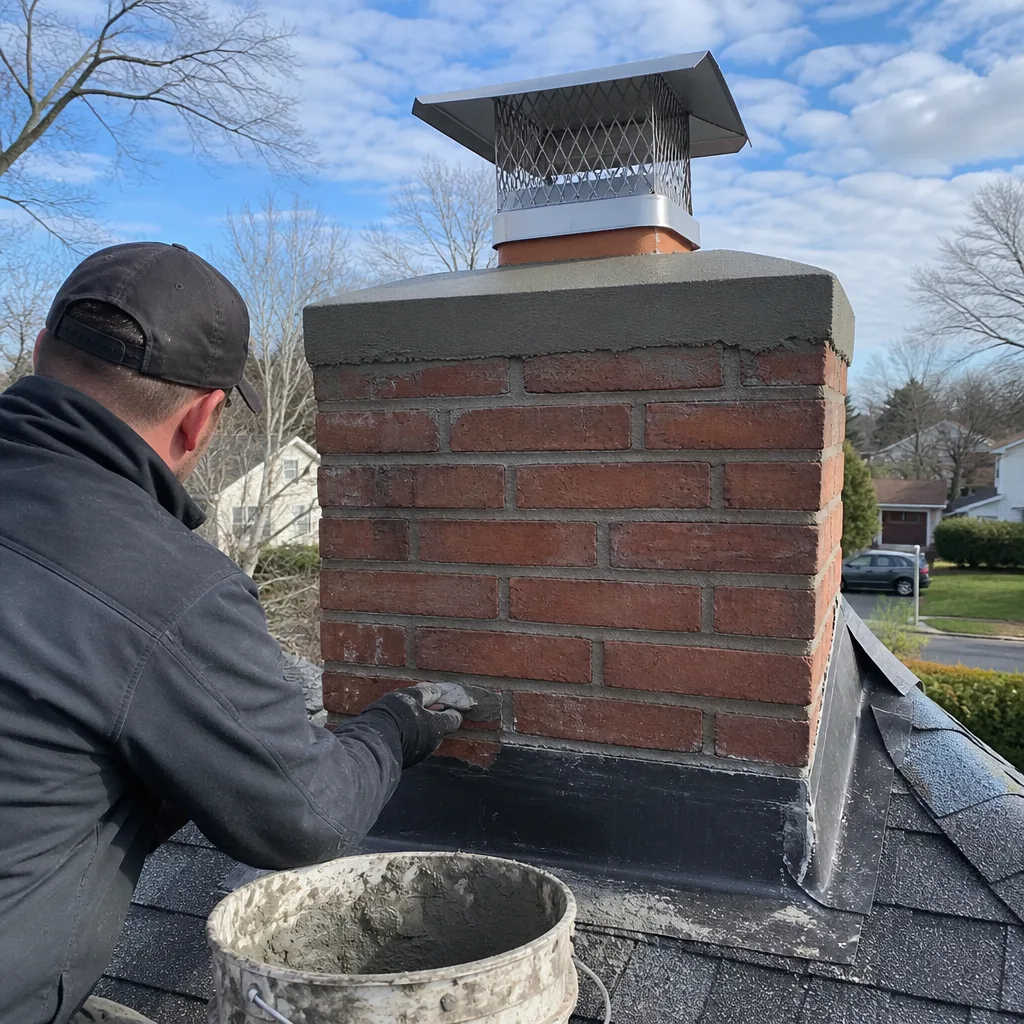 After
After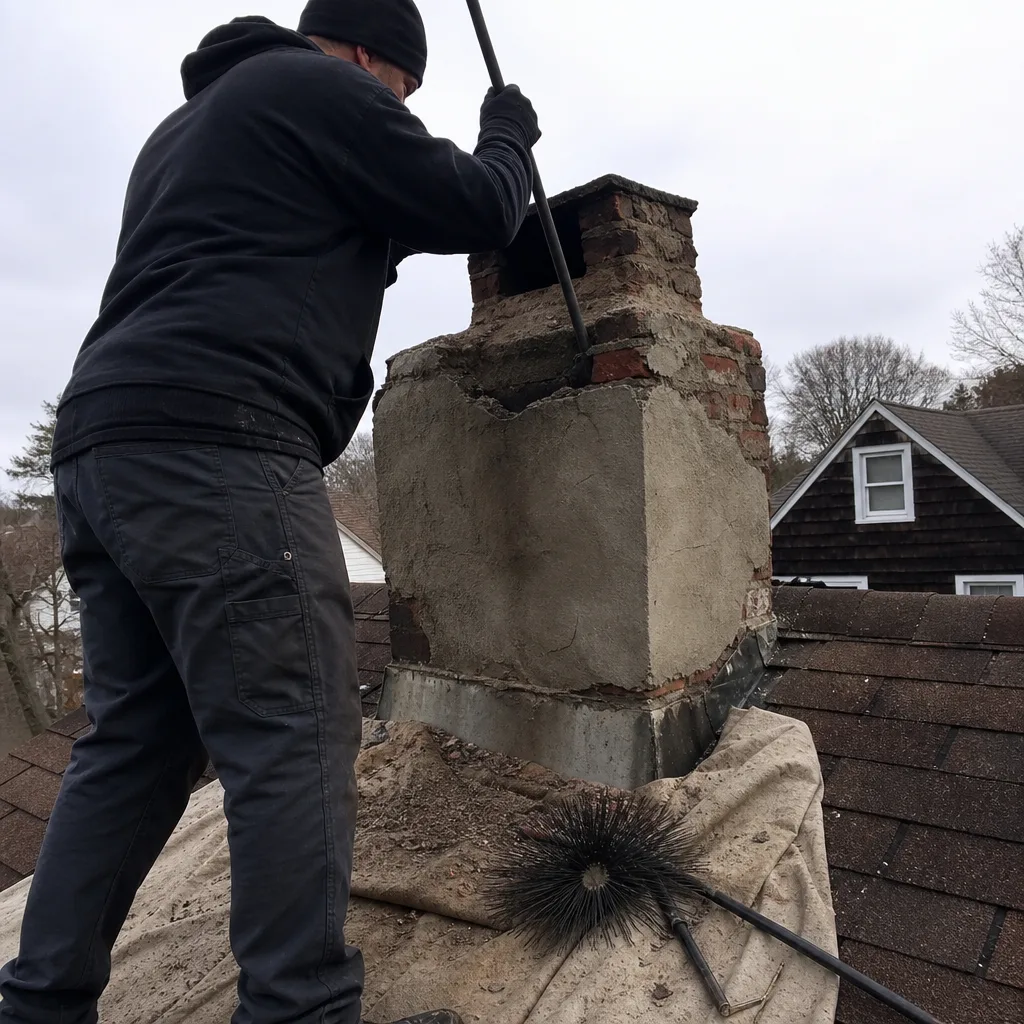 Before
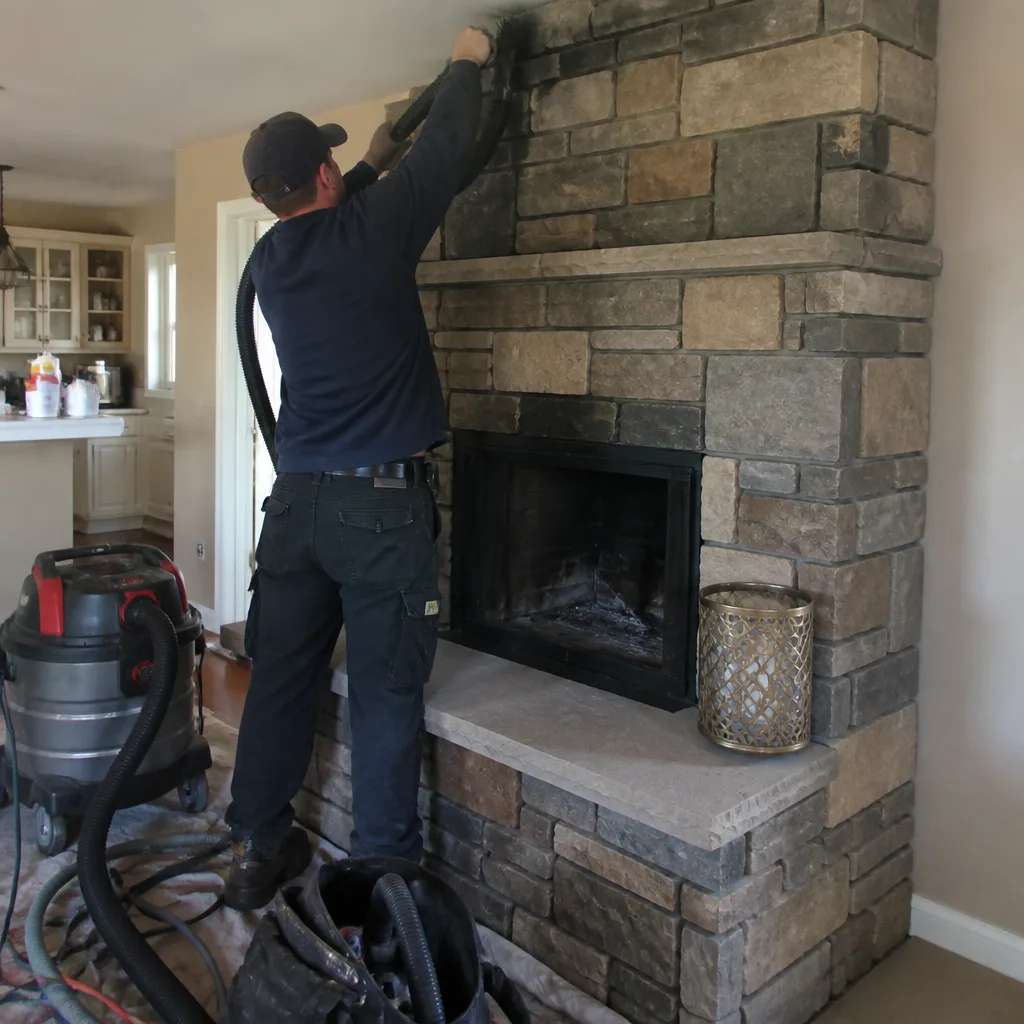 After
After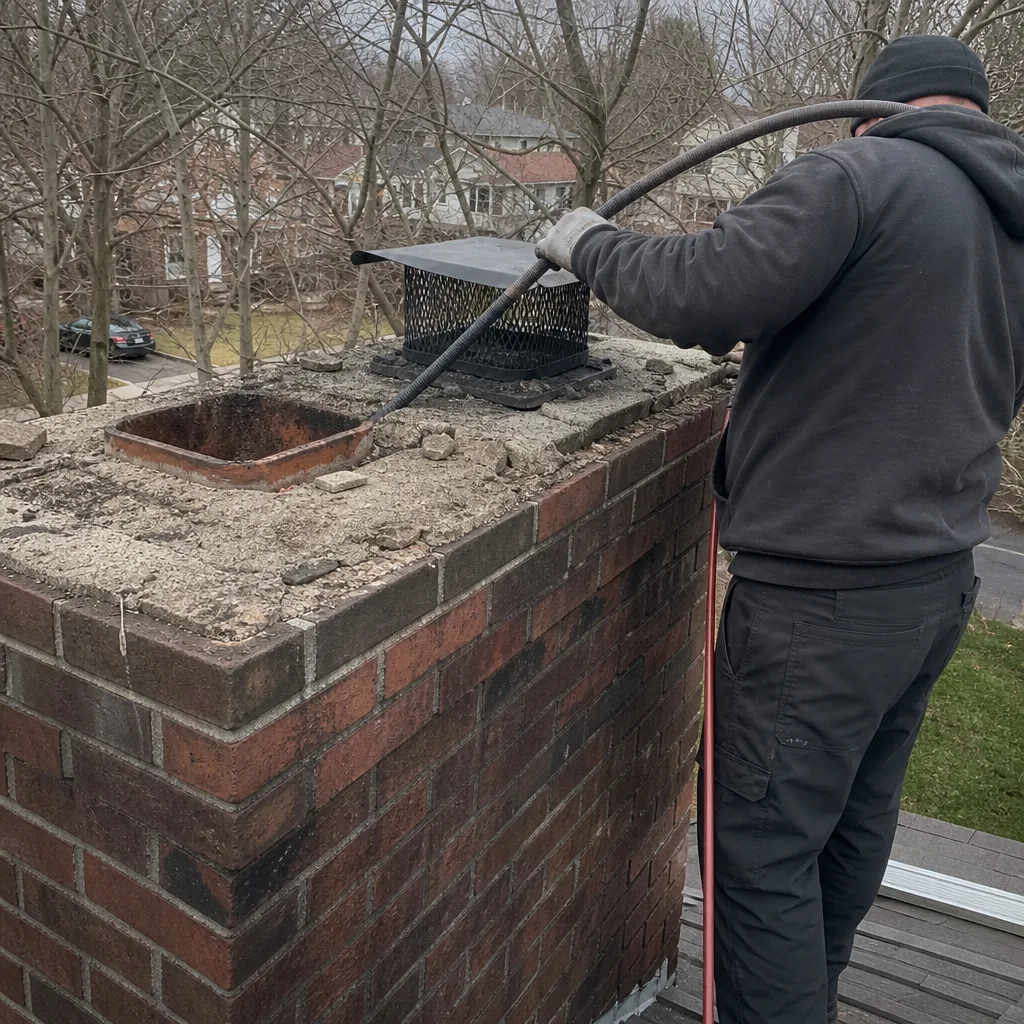 Before
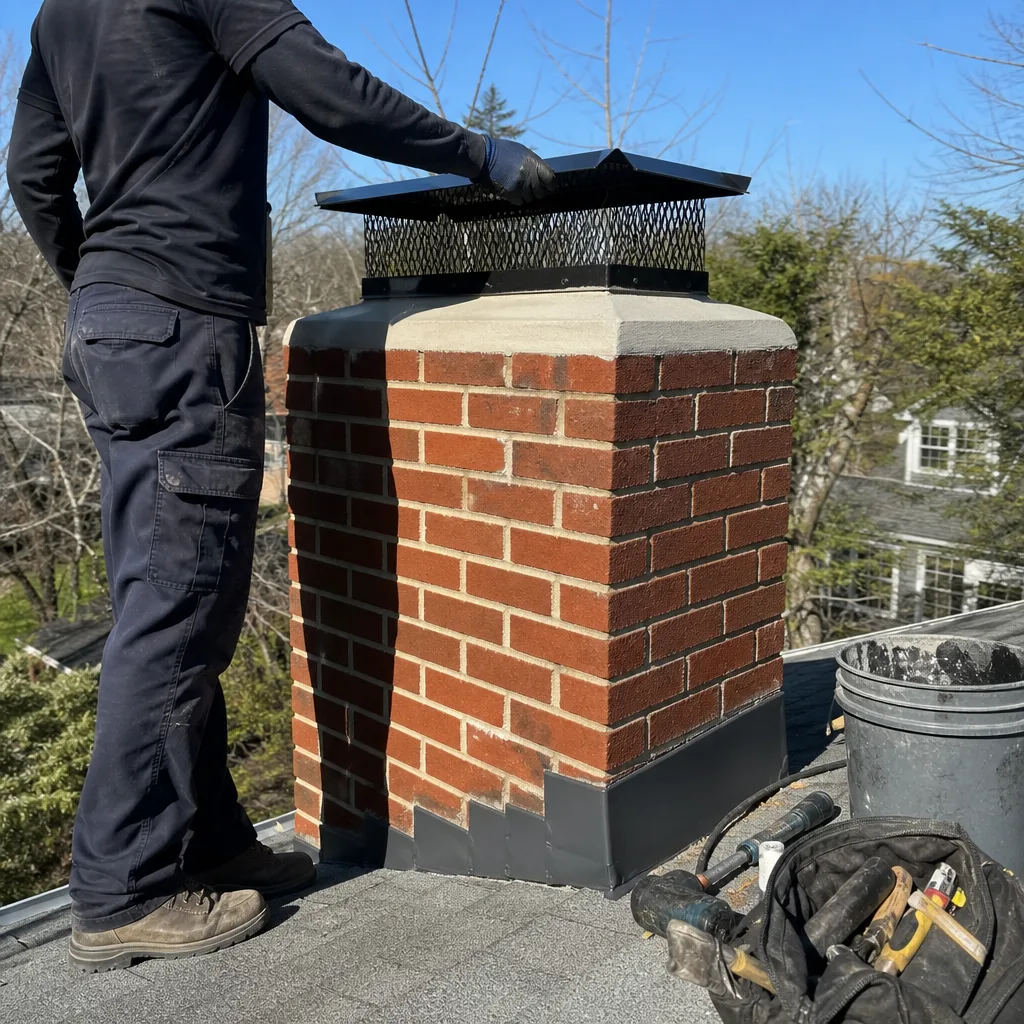 After
AfterChimney Cleaning Warning Signs: A Huntington Homeowner’s Reference Guide
Creosote fires rarely start without warning. They start after a homeowner noticed a dark, oily smell for two winters and assumed that was just how fireplaces smelled. In Huntington, where nor’easters drive moisture deep into masonry and our freeze-thaw cycles punish brick from November through March, chimneys send quiet signals long before smoke ever fills a room. This guide teaches you to read those signals: what each stain, odor, and draft behavior actually means, when it means “schedule soon” versus “stop using the fireplace today,” and how to document what you see so a sweep can assess it accurately before arriving at your door. For more guides & resources, see our blog.
Quick Answer
The most important chimney cleaning warning signs are persistent tar-like odors, smoke that enters the room instead of exiting through the flue, black or brown staining above the firebox, and a draft that reverses or weakens on mild days. Exterior signs include white powdery efflorescence on brick, crumbling mortar joints, and cracks in the concrete crown after winter storms. If you smell asphalt or burnt sugar near the fireplace, or if smoke visibly spills into the room at startup, stop using the fireplace and call a professional. Read our DIY vs Professional Chimney Cleaning: The Huntington Homeowner’s Decision Guide to understand when expert help is essential. For other signs, schedule a Level-2 camera inspection within the season.
Table of Contents
- Interior Warning Signs: What Your Fireplace Is Telling You
- First, Second, and Third-Degree Creosote: A Field Guide
- Exterior Warning Signs Huntington Homeowners Can Spot
- Draft Problems, Smoke Behavior, and What They Reveal
- The Urgency Scale: Soon, This Season, or Today
- How to Photograph and Document Warning Signs
- Common Mistakes to Avoid
- When to Call a Professional
- Frequently Asked Questions
- The Bottom Line
Interior Warning Signs: What Your Fireplace Is Telling You
Your fireplace and chimney system communicate through odor, residue, and behavior. Learning to interpret these three categories separates a homeowner who catches problems early from one who discovers them during an emergency call.
Odor: The Most Ignored Warning System
Chimney odors fall into distinct categories, and each points to a different condition.
Tar or asphalt smell: This is creosote volatilizing in warm weather. In Huntington, we see this spike in May and June when humidity rises and attic temperatures push heated air down the flue. The smell is strongest on humid days and often concentrates in the basement or lower levels. It means creosote buildup has reached a level where it actively off-gasses. Schedule a sweep within two to four weeks, but this is not an emergency unless accompanied by visible dripping.
Burnt sugar or caramel odor: This indicates second-degree creosote transitioning toward third-degree glaze. The smell is sharper, more acrid than tar, and often appears after a very hot fire. In our experience across Huntington’s older homes, particularly in neighborhoods like Huntington Village and Cold Spring Harbor where fireplaces see heavy winter use, this odor means you’re within one season of needing mechanical removal.
Musty or damp smell: Water intrusion. Could be a failed crown, deteriorated flashing, or porous brick drawing in rain during nor’easters. Musty odors after storms but not during dry spells almost always trace to crown or flashing failure. Left unaddressed, this leads to spalling brick, liner deterioration, and in severe cases, structural compromise.
Dead animal or sewage: Blockage or downdraft pulling sewer gas. Stop using the fireplace. This requires immediate inspection.
Residue and Staining Patterns
Where residue appears tells you where the problem originates.
- Black staining above the firebox opening: Smoke spillage at startup, indicating cold flue, blocked chimney cap, or creosote narrowing the flue diameter. Common in Huntington’s 1960s and 1970s split-levels where chimney height was minimized during construction.
- Brown or amber drips on firebox walls: Liquid creosote. This is third-degree creosote in its most dangerous form: concentrated, flammable, and actively running. Stop using the fireplace.
- White or gray powder on firebox brick: Efflorescence from moisture migration. The chimney is breathing, which means water is getting in and salts are migrating out. Not immediately dangerous, but a reliable predictor of spalling brick within two to three years if the water source isn’t found.
- Soot on furniture near the fireplace: Micro-spillage from chronic draft problems. Often misattributed to “just a dirty fireplace.” In fact, it means your flue is not achieving adequate draw under normal conditions.
Behavioral Changes
A fireplace that “used to work fine” and now doesn’t is reporting a change in the system. Common behavioral shifts we hear from Huntington homeowners:
Longer startup time: The fire struggles to establish upward draft. Could be creosote narrowing, cap blockage from nests (common in Huntington’s tree-dense neighborhoods like West Hills and Lloyd Harbor), or negative pressure from modern kitchen exhaust fans or dryer vents.
Smoke on mild days only: Temperature differential between flue air and outside air is too small to establish draft. Often fixable with a top-sealing damper or flue extension, but sometimes indicates oversized flue for the fireplace opening.
Smoke when opening the door to add wood: Normal in small degree, but if it billows, your flue is not pulling enough volume. This is when smoke exposure becomes a respiratory concern, particularly for homeowners with asthma or COPD.
First, Second, and Third-Degree Creosote: A Field Guide
Not all creosote is equally dangerous. Understanding the three stages helps you gauge urgency accurately and avoid being oversold on services you don’t yet need.
First-Degree Creosote: Soot and Fine Ash
Appearance: Light brown to black, dusty, brushes off easily. Texture resembles fireplace ash.
What it means: Normal combustion residue from burning well-seasoned hardwood. First-degree creosote forms when fires are hot, air supply is adequate, and wood moisture is below 20 percent. In Huntington, where many homeowners have switched to kiln-dried firewood delivered from local suppliers, first-degree creosote is increasingly common.
Action needed: Standard sweep during regular maintenance. Not urgent. If you’re burning properly and inspecting annually, first-degree creosote rarely progresses beyond manageable levels.
Second-Degree Creosote: Crunchy Flakes or Paper-Thin Layers
Appearance: Hard, shiny black flakes that break like mica. May form in ribbons or sheets. Requires a stiff poly brush or mechanical whipping to remove.
What it means: Fires were smoldering, wood was damp, or air supply was restricted. The creosote condensed in a different temperature zone of the flue and built up in layers. This is the stage where most Huntington homeowners find themselves after burning cordwood that wasn’t fully seasoned through our humid summers, or after running inserts on low settings for “overnight burns.”
Action needed: Schedule a sweep this season. Second-degree creosote will not self-resolve and progresses to third-degree under continued use. However, it does not present immediate fire risk if the fireplace is used moderately and inspected.
Third-Degree Creosote: Glaze or Tar Coating
Appearance: Shiny, black, enamel-like coating. May be smooth or bubble-textured. Often described as “like melted plastic” or “hardened tar.” Can be 1/8 inch to over 1/4 inch thick. Extremely difficult to remove; standard brushes will polish it, not remove it.
What it means: Sustained low-temperature fires, chronic use of unseasoned wood, or restricted airflow over long periods. The creosote has undergone chemical transformation into a nearly pure fuel source. Ignition temperature drops to approximately 451 degrees Fahrenheit, a temperature easily reached during normal fireplace operation.
Action needed: Stop using the fireplace. Third-degree creosote is the leading cause of chimney fires in Suffolk County. Mechanical removal with chains, rotary whips, or chemical treatments is required. In severe cases, liner replacement with a stainless steel liner from DuraFlex is the only safe long-term solution. We document the thickness and coverage with camera inspection before recommending any approach.
| Degree | Appearance | Fire Risk | Recommended Action |
|---|---|---|---|
| First | Dusty, brushes off easily | Minimal | Schedule routine sweep |
| Second | Hard flakes, shiny layers | Moderate | Sweep this season |
| Third | Glaze, tar-like, enamel finish | High - stop using | Immediate professional removal |
In our 42 years serving Huntington and surrounding communities, we’ve found that homeowners who burn two to three cords per winter and inspect every other year typically reach second-degree creosote by year three. See The Complete Guide to Chimney Cleaning in Huntington for a full maintenance timeline. Those who burn daily without inspection often present with third-degree glaze by year four or five. The difference is not the fireplace; it’s the maintenance schedule.
Exterior Warning Signs Huntington Homeowners Can Spot
Huntington’s coastal climate imposes specific stresses on chimney exteriors that inland Long Island communities don’t face. Salt-laden air, rapid freeze-thaw cycling, and the wind-driven rain of nor’easters accelerate deterioration. Here’s what to look for from the ground, the roof edge, or a second-story window.
Efflorescence: The White Chalky Deposit
Appearance: White, gray, or yellowish powder on brick surfaces. May wash away with rain but reappears. Sometimes mistaken for paint residue or bird droppings.
What it indicates: Water is entering the masonry, dissolving soluble salts, and depositing them on the surface as it evaporates. Efflorescence itself is not structural damage, but it proves water is moving through the brick. In Huntington, where winter temperatures swing between 20 and 50 degrees within 48 hours, this freeze-thaw cycling turns water movement into spalling within two to three seasons.
Where to check: North-facing chimney exposures (slowest to dry), areas below the crown, and any brick that was repointed with mismatched mortar. In neighborhoods like South Huntington and Elwood, where many homes were built in the 1950s with soft, porous brick, efflorescence appears earliest on the second course above the roofline.
Spalling Brick and Deteriorated Mortar
Appearance: Brick faces flake off, exposing rough inner material. Mortar joints crumble or recede, creating gaps. May progress to loose bricks that shift when pressed.
What it indicates: Advanced water damage. Water enters through failed crown, cap, or porous brick, freezes, expands, and fractures the masonry. Spalling is irreversible; damaged brick must be replaced. The rate of progression accelerates dramatically once started, a single spalled brick often indicates dozens more with compromised faces waiting to fail.
Huntington-specific context: Our nor’easters drive rain horizontally into chimney exposures that face southeast. After the March 2018 storms, we saw a 40 percent increase in spalling calls from homes in Huntington Bay and Eatons Neck, where wind exposure is highest. Homes with original brick from the 1960s and 1970s were disproportionately affected.
Crown Cracks and Deterioration
Appearance: Hairline to quarter-inch cracks in the concrete cap that tops the chimney. May show rust staining from embedded metal mesh. In advanced cases, pieces of the crown are missing or the crown has separated from the flue tile.
What it indicates: The crown is your chimney’s umbrella. Once cracked, it channels water directly into the chimney core rather than shedding it. Every rain event becomes a water intrusion event. Crown failure is the single most common cause of interior chimney damage we document during Level-2 camera inspections in Huntington.
Repair threshold: Hairline cracks can be sealed with CrownSeal or similar professional-grade flexible sealant. Cracks wider than 1/8 inch, or any crack that has propagated to the crown edge, indicate the concrete has lost structural integrity and needs rebuilding. We rebuild crowns with poured concrete sloped at minimum 3/4 inch per foot for proper drainage, using reinforcement mesh and expansion joints around flue tiles.
Flashing and Roof Interface
Appearance: Gaps between chimney and roof, lifted or corroded metal, tar or caulk patches that have dried and cracked. Water stains on ceiling drywall adjacent to the chimney breast.
What it indicates: Failed flashing is the most common source of “mystery” chimney leaks. Step flashing corrodes, counterflashing separates, and the seal between masonry and metal opens. In Huntington’s salt-air environment, galvanized flashing lasts 15 to 20 years; copper or stainless steel lasts indefinitely but costs more upfront. We see many homes in Huntington Village where successive roofers have layered tar over failing flashing rather than addressing the underlying separation. Our How to Hire a Chimney Cleaning Contractor in Huntington: A Step-by-Step Guide shows you how to vet professionals who will fix the real problem.
Cap and Screen Condition
Appearance: Rusted, missing, or improperly sized cap. Screen mesh clogged with creosote or debris. Cap that sits flat rather than shedding water.
What it indicates: The cap prevents rain, animals, and debris from entering the flue. A missing or failed cap means water runs directly down the flue liner, accelerating creosote corrosion and liner deterioration. Squirrels and raccoons are active year-round in Huntington’s mature tree canopy; we’ve removed nests blocking flues in every month of the year.
Draft Problems, Smoke Behavior, and What They Reveal
Draft is the engine of your chimney system. Without it, smoke doesn’t exit, fires don’t burn efficiently, and dangerous gases accumulate. Understanding draft behavior helps distinguish between temporary conditions and systemic problems.
How Draft Works in Huntington Homes
Draft depends on three factors: temperature differential between flue air and outside air, chimney height, and air pressure balance within the house. Huntington’s coastal position complicates all three.
Our proximity to Long Island Sound means barometric pressure changes rapidly, particularly when frontal systems move through. These pressure changes can temporarily neutralize draft, causing smoke spillage that resolves within hours. Persistent draft problems, however, indicate structural or mechanical issues.
Specific Draft Behaviors and Their Causes
Cold start smoke-back: Smoke enters the room when first lighting the fire, then draws properly once the flue warms. This is normal in degree, but if it lasts more than 2 to 3 minutes or requires multiple lighting attempts, your flue may be oversized for the fireplace, partially blocked, or competing with negative house pressure.
Smoke on mild days (40 to 55 degrees): The temperature differential is too small to establish adequate draw. Common in spring and fall shoulder seasons. Solutions include pre-warming the flue with a rolled newspaper torch, installing a top-sealing damper to retain heat between fires, or in persistent cases, adding a flue extender.
Smoke when windy: Wind creates pressure zones around the chimney top. A cap with inadequate screen height, or no cap at all, allows wind to press directly down the flue. In Huntington’s exposed coastal locations, we specify wind-resistant caps with baffles that redirect airflow.
Smoke when HVAC runs: Modern high-efficiency furnaces, kitchen range hoods, and bathroom exhaust fans create negative pressure that competes with chimney draft. This is increasingly common in Huntington homes that have upgraded HVAC without evaluating fireplace compatibility. The chimney becomes the path of least resistance for makeup air, reversing draft and pulling smoke into the house.
Chronic weak draft, all conditions: Likely causes include creosote narrowing, liner failure or collapse, chimney too short for the building (must extend 2 feet above any structure within 10 feet), or structural damage altering flue geometry. Requires camera inspection to diagnose.
Carbon Monoxide: The Invisible Draft Failure
Not all draft failures produce visible smoke. A chimney that drafts marginally may clear visible smoke while allowing carbon monoxide to spill at low levels. CO is odorless, colorless, and heavier than air in cool conditions, so it pools in basements and lower levels.
Symptoms of chronic low-level CO exposure include persistent headaches, nausea, and fatigue that improve when away from home. If you experience these symptoms and have a fireplace or heating appliance, evacuate and call for inspection. Every home with a fireplace should have CO detectors on every level, with at least one within 15 feet of the sleeping area.
The Urgency Scale: Soon, This Season, or Today
Not every warning sign demands the same response. This scale, developed from our field experience across Huntington, helps you calibrate your reaction.
Schedule Soon (Within 4 to 6 Weeks)
- First-degree creosote visible during routine cleaning
- Minor efflorescence without spalling
- Tar odor on humid days, no visible dripping
- Smoke-back on cold starts that resolves within 2 minutes
- Crown hairline cracks, no water intrusion evidence
These conditions warrant attention but present no immediate hazard with moderate fireplace use. Schedule at your convenience, ideally before the next burning season intensifies.
Schedule This Season (Within 2 Weeks)
- Second-degree creosote identified
- Persistent tar odor with visible residue
- Smoke spillage lasting more than 3 minutes
- Draft problems on mild days that preclude shoulder-season use
- Efflorescence with early spalling (single bricks, small areas)
- Crown cracks wider than 1/8 inch
- Water stains on ceiling near chimney
These conditions will worsen with use and may become hazardous if weather or usage patterns change. Schedule before the next major cold snap or storm system.
Stop Using Today and Call Immediately
- Third-degree creosote or liquid creosote dripping
- Any smoke spillage that does not resolve or worsens during a fire
- Visible flames or glowing material in the chimney exterior
- Strong gas odor (natural gas or propane)
- Fallen brick or masonry debris
- CO detector alarm
- Animal entry with blockage suspected
Do not attempt to “burn off” creosote or clear blockages yourself. Chimney fires reach 2,000 degrees Fahrenheit and can crack liners, damage surrounding structure, and ignite adjacent framing within minutes. A blocked flue can fill a home with carbon monoxide in under an hour.
How to Photograph and Document Warning Signs
Accurate documentation before our arrival improves diagnosis, speeds the inspection, and ensures we bring the right equipment. These steps take ten minutes and often save a return visit.
Interior Documentation
- Firebox overall: Stand back and capture the full firebox with the damper visible. Include the lintel and any staining above it. Daylight or bright artificial light; flash often overexposes soot.
- Staining detail: Move closer to any discolored areas. Include a familiar object (coin, key) for scale. Note whether staining is above, beside, or below the firebox opening.
- Damper condition: Photograph the damper plate open and closed. Rust, warping, or incomplete closure are relevant.
- Residue on walls: If soot accumulates on nearby walls or mantel, photograph the pattern. This reveals smoke spillage direction and frequency.
- Odor timing: Note when odors occur (time of day, weather conditions, HVAC operation). This contextual information is as valuable as the photograph.
Exterior Documentation
- Chimney from ground: Full-height photograph showing cap, crown, brick condition, and roof interface. Best taken from multiple angles if accessible.
- Crown close-up: If safely reachable from a ladder or upper window, photograph the crown surface and any cracks. Include the flue tile termination.
- Efflorescence or spalling: Close photographs of affected brick, with scale reference. Note whether damage is uniform or concentrated below the crown, at the roofline, or on a specific exposure.
- Flashing: Photograph where chimney meets roof from both sides. Include any tar patches, lifted metal, or stained shingles.
- Surrounding environment: Note overhanging trees, proximity to neighboring structures, and dominant wind exposure. In Huntington, southeast-facing chimneys in exposed locations deteriorate fastest.
What to Send and How
Email photos with brief descriptions to our office, or text them if you call our main line. Russell Haines reviews exterior documentation personally before scheduling when structural damage is suspected. This allows us to allocate appropriate time and equipment, and to warn you if we see something that warrants immediate cessation of use.
Photos also establish a baseline for future comparison. A photograph of efflorescence taken today, compared to one taken in two years, reveals whether your water management strategy is working or if deterioration is accelerating.
Common Mistakes to Avoid
- Assuming odors are “just how fireplaces smell.” A properly functioning chimney should smell faintly of wood smoke during use and neutral otherwise. Persistent tar, musty, or chemical odors indicate active problems that worsen with time.
- Using chimney cleaning logs as a substitute for sweeping. These products loosen light creosote but cannot remove second or third-degree buildup. They also create misleading confidence; homeowners see ash fall and assume the chimney is clean when hazardous glaze remains.
- Ignoring mild smoke spillage as “normal for this house.” Smoke in the living space was never normal. It indicates draft failure, blockage, or flue damage that will not self-correct and may expose occupants to CO.
- Waiting for “the off-season” to save money. In Huntington, shoulder-season pricing differences are modest, and delaying inspection through winter burning months allows creosote to advance one full degree. The savings are erased by the additional service required.
- Hiring based on the lowest quoted price without verifying scope. A “$99 sweep” that excludes camera inspection, excludes the firebox, or uses substandard brushes may leave hazardous conditions undetected. Our no-hassle upfront pricing includes full service; the estimate you receive is the invoice you pay.
- DIY creosote removal with hardware-store tools. Without proper brushes, rods, and vacuum containment, homeowners often compact creosote rather than remove it, damage flue liners, or create respiratory hazards from airborne particulate. Third-degree creosote requires professional mechanical removal.
- Neglecting the exterior because “the fireplace works fine.” Exterior deterioration proceeds independently of interior function. A chimney can draft adequately while its crown fails and water destroys the liner from the outside. Annual exterior visual inspection from ground level takes five minutes and catches problems early.
When to Call a Professional
Call when warning signs persist beyond a single burning session, when odors intensify rather than fade between fires, or when any exterior damage is visible from the ground. Call immediately if smoke enters the room and does not resolve, if you detect gas odors, or if your CO alarm sounds.
Hearthstone Chimney Co. offers free estimates in Huntington. Our Level-2 camera inspections include photographs you can see and a plain-English verdict on what requires action now, what can wait, and what to monitor. No work is recommended without documentation you can review yourself. The 90-Day Done Right Promise covers every service: if it’s not right, we make it right, in writing, with no arguing.
Call (631) 776-4075 to schedule. A live person answers 24 hours a day, 7 days a week. Most inspections are completed in a single visit, with no-hassle upfront pricing agreed before any work begins.
Frequently Asked Questions
A standard chimney sweep and Level-1 inspection in Huntington typically ranges from $199 to $289, depending on accessibility, number of flues, and the degree of creosote buildup. Level-2 camera inspections, which include photographs of the flue interior and a written condition report, range from $299 to $449. Our $89 Seasonal Tune-Up covers basic cleaning and safety checks for qualifying systems. We provide exact quotes before scheduling; the estimate you approve is the invoice you receive. Call (631) 776-4075 for a free estimate.
You need a new liner only if the existing one is damaged, improperly sized, or missing. During our camera inspection, we document liner condition with photographs you can see. Cracked clay tile, spalling stainless steel, or gaps at joints require replacement for safety. Undamaged liners, even with creosote buildup, simply need proper cleaning. We never recommend liner replacement without photographic evidence, and we’ll tell you plainly when a liner can be safely monitored rather than replaced. Our liners use professional-grade DuraFlex and HeatShield materials with proper sizing calculations for your appliance.
The National Fire Protection Association recommends annual inspection for all chimney systems, with cleaning as needed based on creosote accumulation. In Huntington, where many homeowners burn two to four cords of mixed hardwood per season, we find annual sweeping maintains first-degree creosote levels. Homes burning daily or using unseasoned wood may need mid-season inspection. The 1/8-inch creosote rule is a useful benchmark: if buildup exceeds 1/8 inch, sweep before the next use. Our technicians measure and photograph creosote thickness during every inspection.
Skipped maintenance allows creosote to advance from first to third degree, progressively narrowing the flue and increasing fire risk. Water intrusion through deteriorated crowns or flashing corrodes liners, destabilizes masonry, and can damage adjacent framing and drywall. In Huntington’s climate, a neglected chimney typically develops functional problems within three to five years and structural problems within seven to ten. The cost of deferred maintenance compounds: a $250 sweep becomes a $2,500 liner replacement becomes a $15,000 rebuild. Regular inspection catches problems when they’re manageable.
Yes, with increased monitoring. Efflorescence indicates water movement but not yet structural damage. Continue using the fireplace while scheduling inspection to identify and stop the water source. If efflorescence appears on interior firebox walls, however, this indicates active water intrusion through the flue system, and use should stop until the source is found. Exterior efflorescence alone does not present combustion hazards; interior efflorescence combined with damp odors suggests liner or crown failure requiring prompt attention.
A sweep removes creosote, soot, and debris from the flue and firebox. An inspection evaluates the system’s condition, identifies defects, and determines whether the chimney is safe for use. Level-1 inspection is visual, conducted during sweeping, adequate for maintained systems with no changes. Level-2 inspection includes camera examination of the flue interior, accessible portions of the attic and basement, and documentation with photographs - required for real estate transactions, after chimney fires, or when system changes occur. Level-3 inspection involves demolition of building components to access concealed areas, reserved for serious hazard investigations. Most Huntington homeowners need annual Level-1 with periodic Level-2.
The Bottom Line
Chimneys warn before they fail. The critical skill is recognizing which signals matter and when to act. In Huntington’s demanding coastal climate, exterior vigilance matters as much as interior observation. Document what you see, understand that creosote degrees indicate real fire risk differences, and never let a persistent odor or smoke behavior become “just how it is.” The cost of early intervention is modest; the cost of delayed response is not. A well-maintained chimney system, inspected annually and addressed when warning signs appear, provides safe heat for decades without drama or emergency.
Written by Russell Haines, Owner at Hearthstone Chimney Co., serving Huntington since 2014.