
Level 1 sweep and inspection to the NFPA 211 annual standard - flue, crown, cap, and flashing checked and photographed
Chimney sweep logs do not sweep chimneys. They loosen some creosote - which then falls where a brush and vacuum still have to collect it.
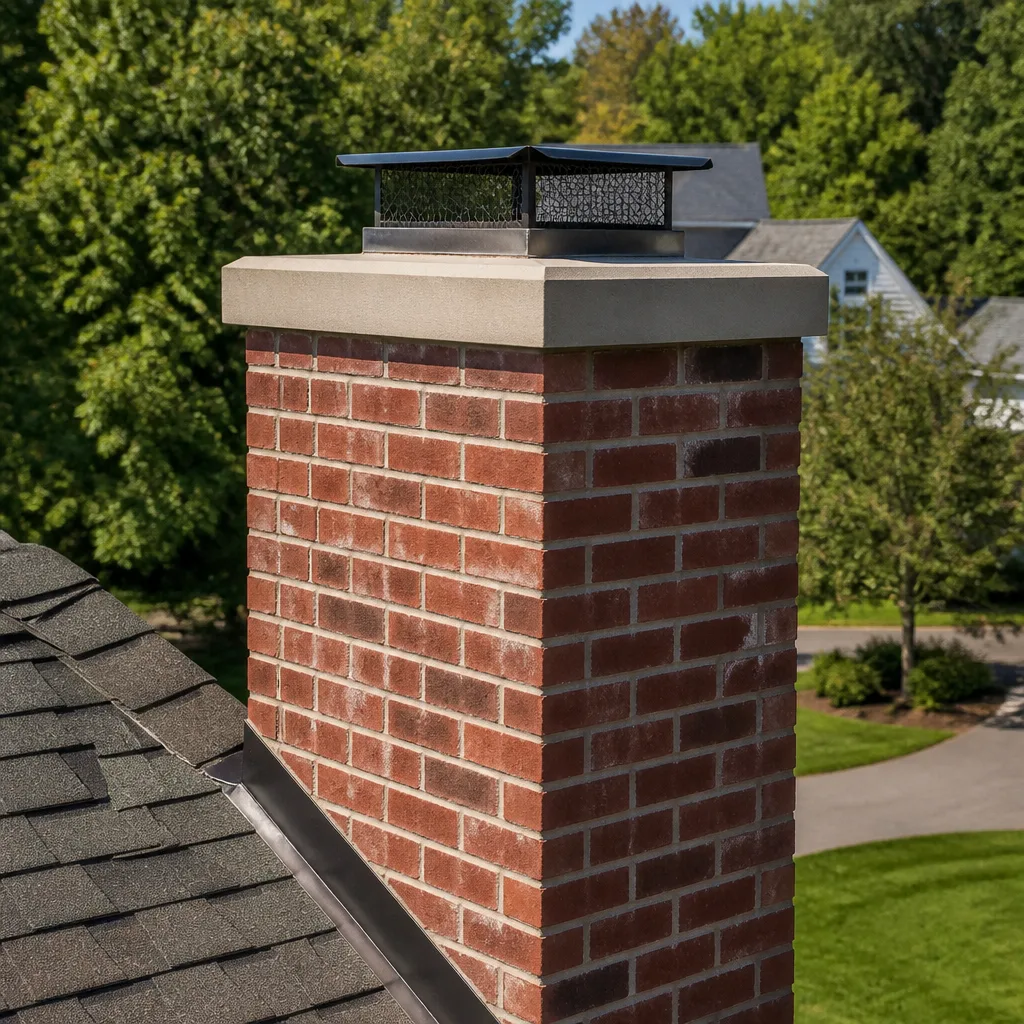
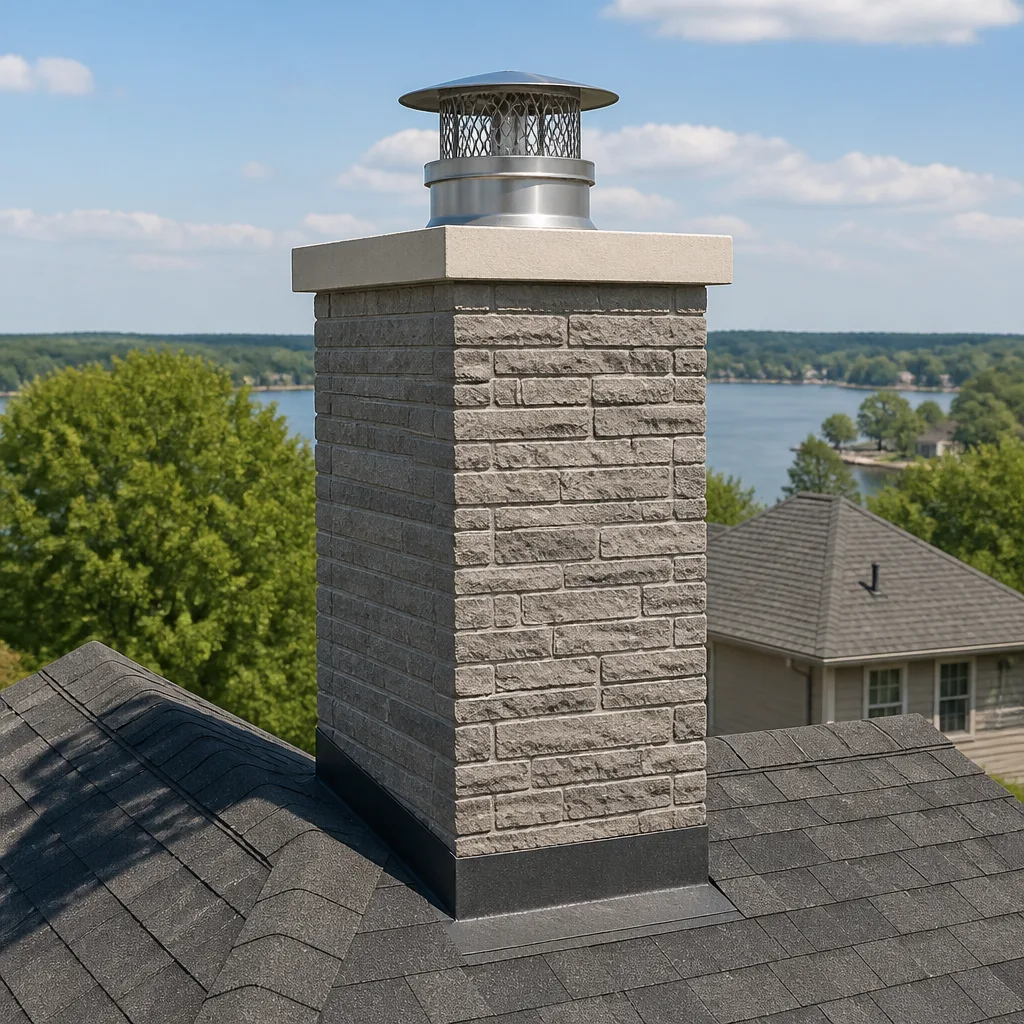
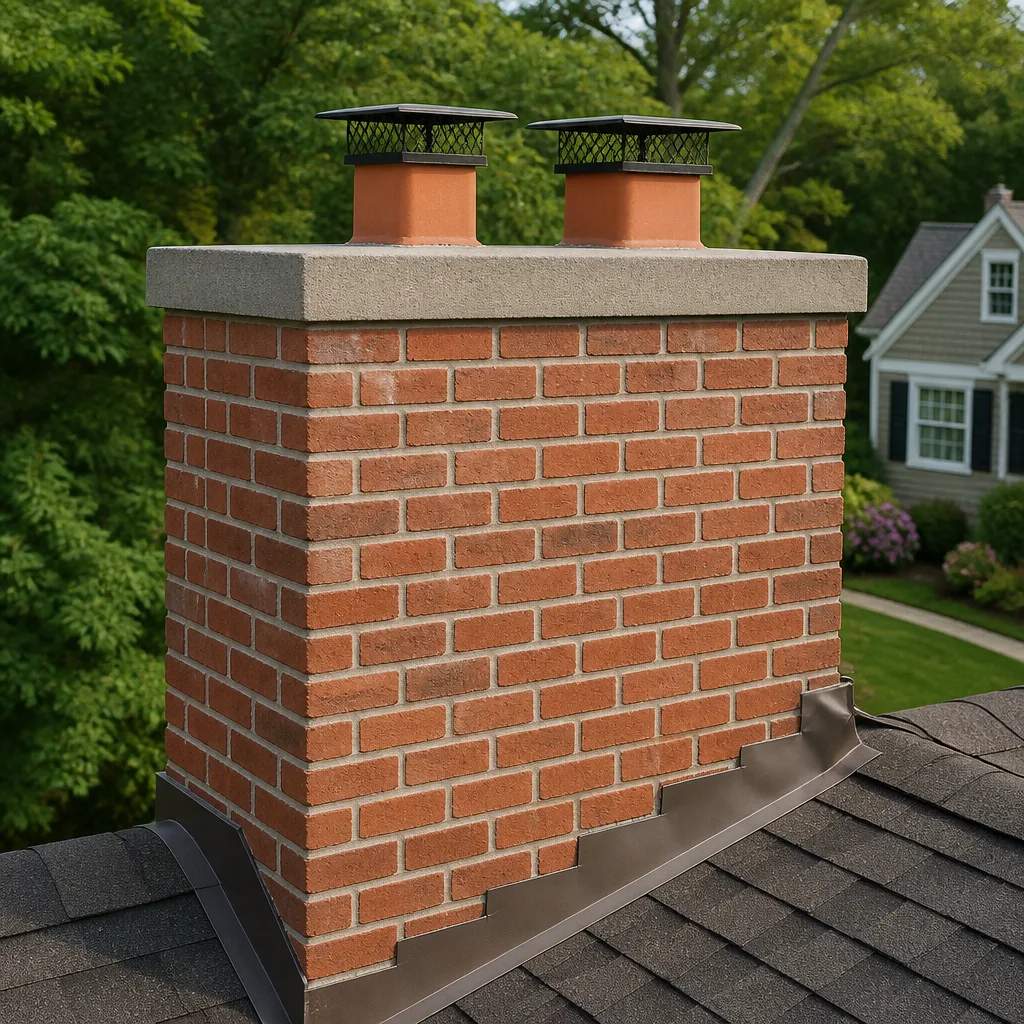
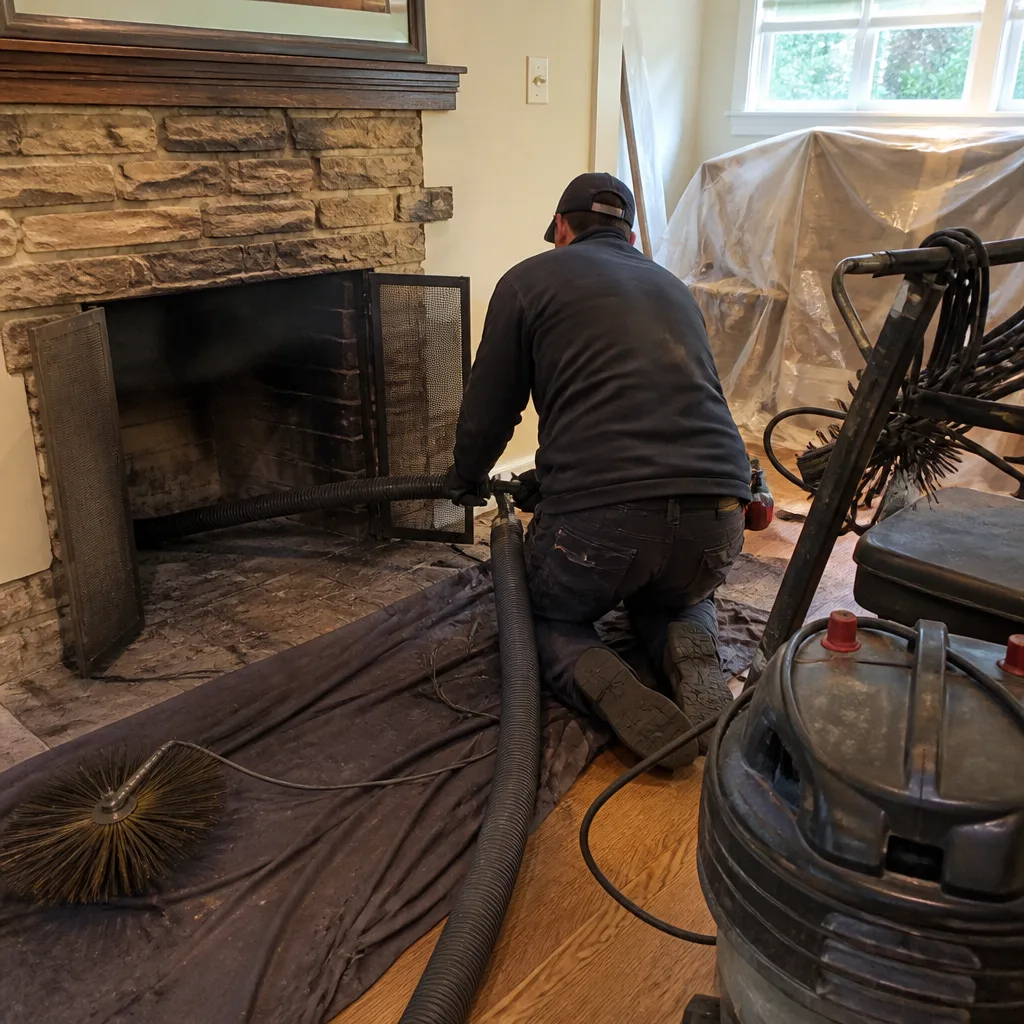 Before
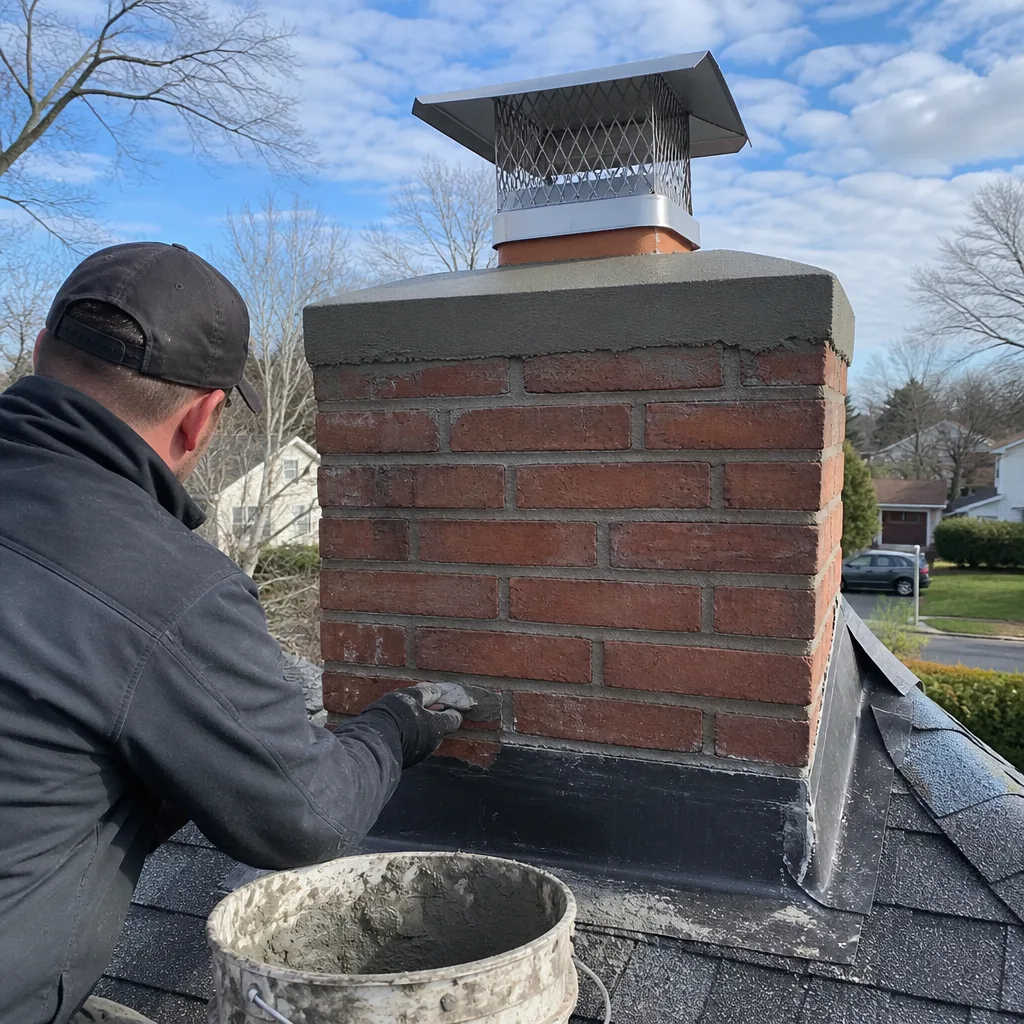 After
After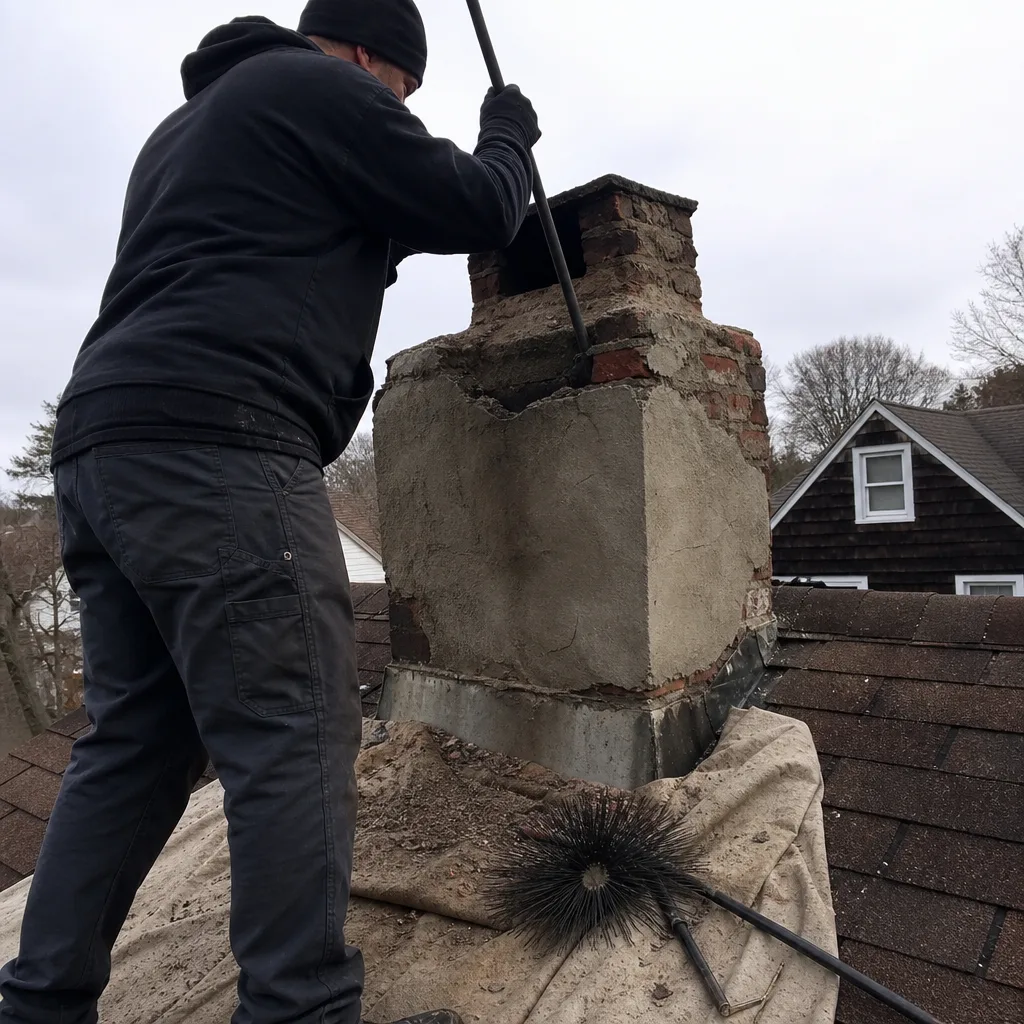 Before
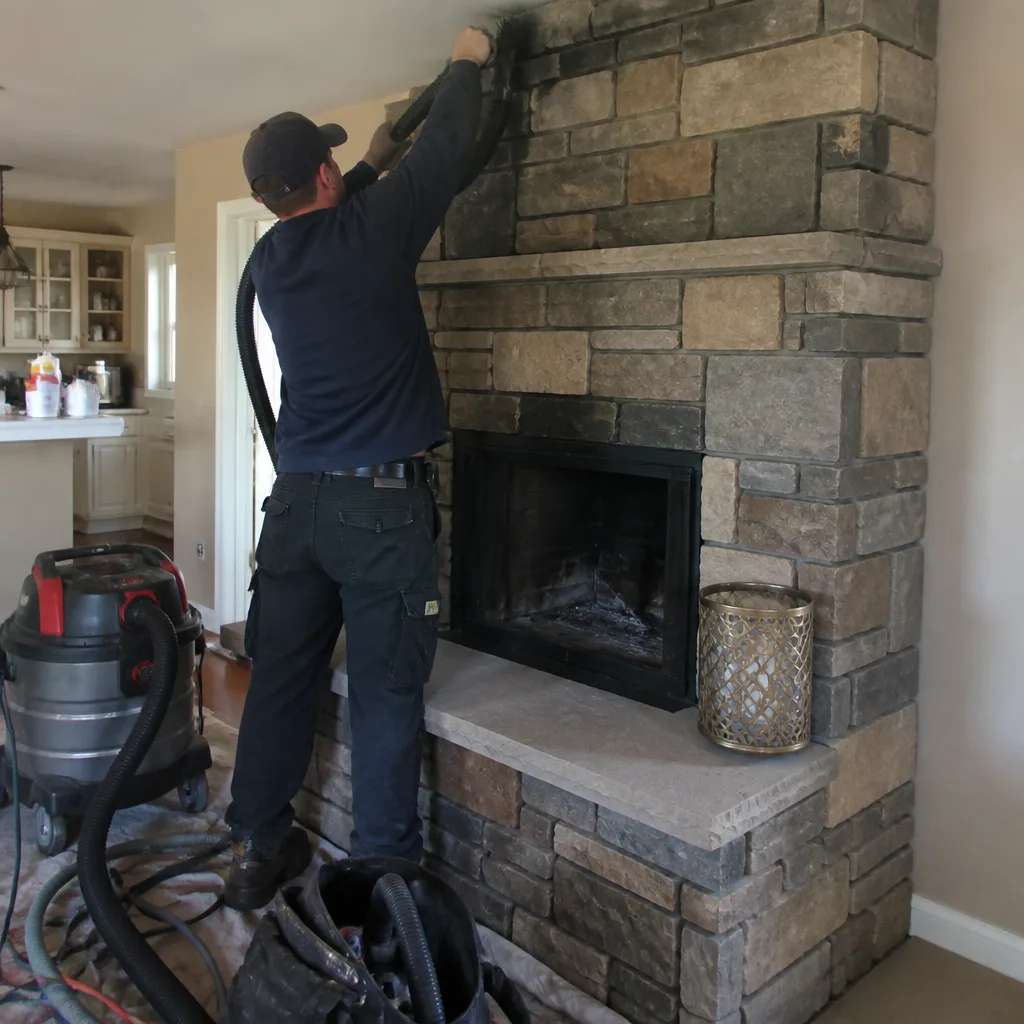 After
After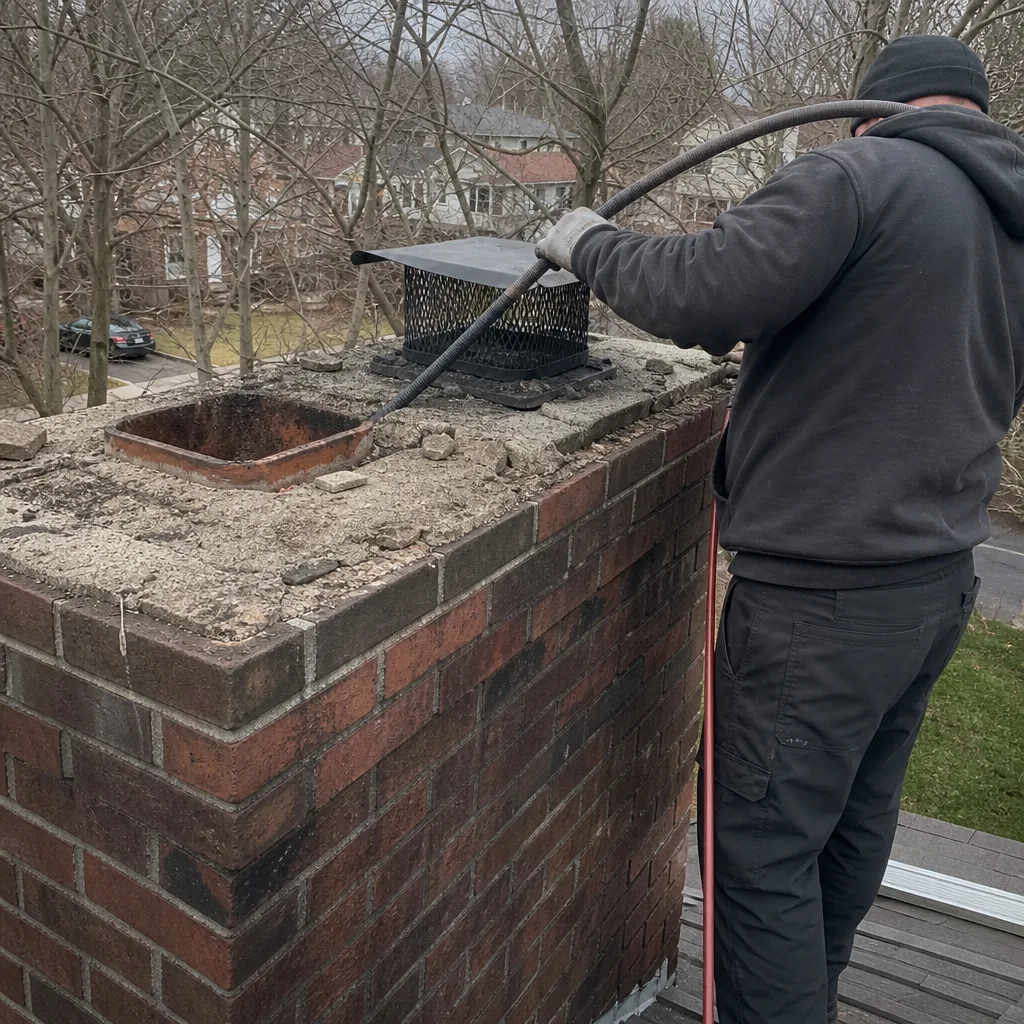 Before
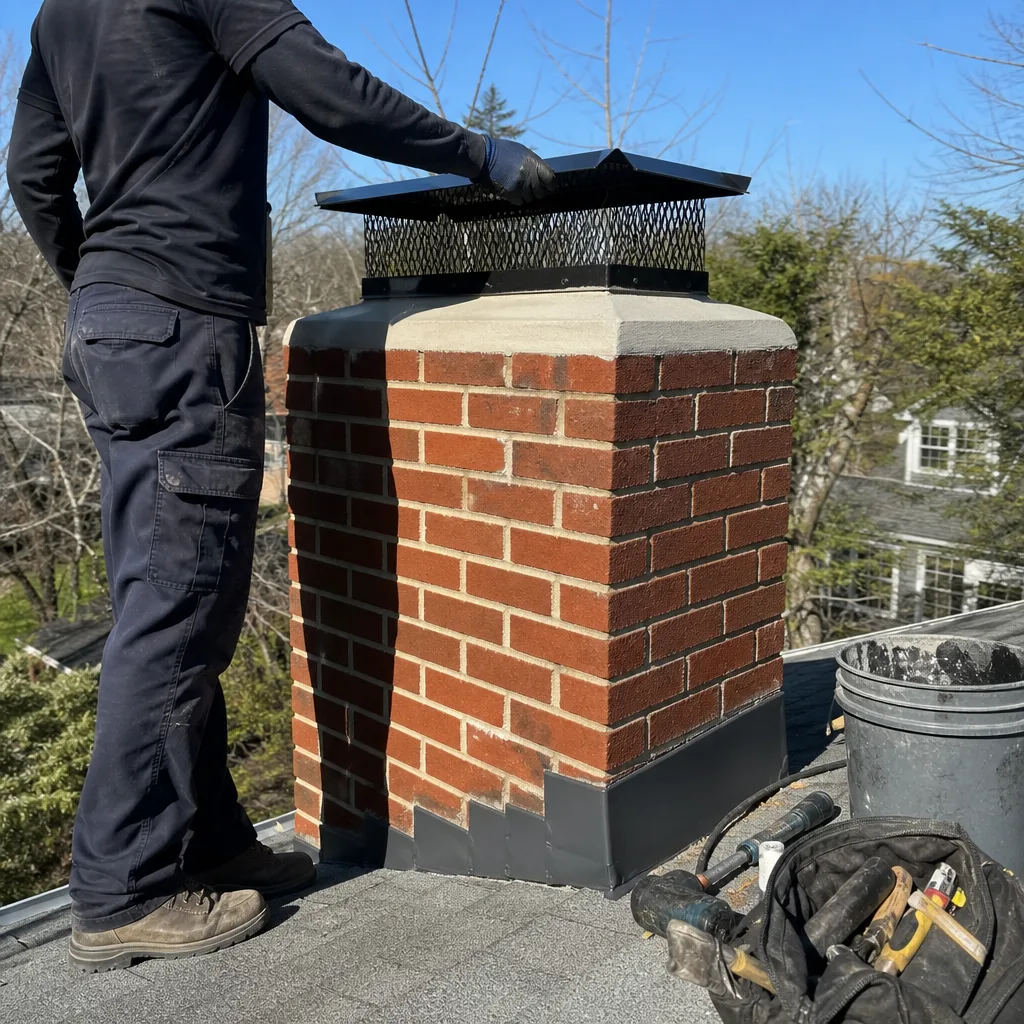 After
AfterCopperfield Chimney Cap Installation: The Huntington Owner’s Guide
Copperfield chimney cap installation in Huntington typically runs $340-$780 depending on flue size, cap style, and whether the existing crown needs repair before mounting. We stock Copperfield caps in common Huntington sizes - 8×13, 13×13, and 13×18 - and most installations finish in a single visit. Most owners realize their cap has failed when water stains appear on the firebox walls or they spot rust flakes in the hearth after a North Shore storm.
Which Copperfield Models This Applies To
Copperfield caps break down into three series you’ll find on Huntington homes: the standard galvanized line (model prefixes CCV or CCF), the stainless multi-flue series (MFC), and the copper decorative line (CCP). The galvanized units were common on builder-grade installations from the late 1990s through about 2010, and they’re the ones we replace most often - the powder coat fails at the seams after 8-12 years of salt air and freeze-thaw.
To identify yours, check the stamped model number on the cap skirt or the mounting flange. If it’s rusted beyond reading, measure the flue opening outside dimensions, not the cap footprint - a 13×18 flue takes a 15×20 cap with standard overhang. We carry both OEM Copperfield and cross-compatible Gelco stainless caps on the truck. For flues within 1/2 inch of standard sizing, the Gelco equivalent mounts without modification and carries the same 20-year warranty against perforation. For custom-width flues - common on 1920s Huntington colonials along West Neck Road - we order Copperfield factory spec to avoid the gaps that let driving rain in sideways.
We’re an independent service provider, not affiliated with Copperfield Supply.
Signs Your Copperfield Chimney Cap Installation Is Failing
- Rust streaks down the chimney face. Galvanized caps lose their protective layer at the weld points first. Once water reaches bare steel, it runs down the brick and leaves those telltale orange trails that Huntington owners notice after winter.
- Water in the firebox after heavy rain. A cap that looks intact from the ground can have a separated seam or bent flange letting water funnel directly down the flue. We find this most often on caps installed without a proper saddle bracket.
- Bird or squirrel noise in the flue. Copperfield mesh sides can separate from the frame when corrosion works the spot welds loose. A cap with gaps larger than 3/4 inch won’t stop starlings, and once they’re nesting, the flue is blocked until fall.
- Cap sitting crooked or shifted after wind. The standard strap-mount system on older CCV models relies on tension alone. After years of thermal cycling, the straps fatigue and a March nor’easter lifts the cap enough to break the seal.
- Damp, musty odor from the fireplace in summer. Even small cap gaps raise humidity in the flue. In Huntington’s summer mug, that means mold on the smoke shelf and a smell that no amount of sweeping removes until the cap is replaced.
Replacement Cost & What’s Included
| Service | Price Range |
|---|---|
| Standard single-flue Copperfield cap, installed | $340-$480 |
| Multi-flue Copperfield cap, installed | $520-$680 |
| Custom-size or copper-finish cap | $620-$780 |
| Crown repair before cap mount (if needed) | $180-$340 additional |
The range depends on three things: cap material grade, flue accessibility from the roof, and whether we find crown cracks that need sealing first. A square deal: no surprises on the bill. We photograph the crown during our Level-2 inspection, show you what we found, and price everything before we start. The 90-Day Done Right Promise covers the installation in writing - if water gets past our cap, we come back. No paperwork, no arguing.
DIY or Call Us?
An owner can safely check two things from the ground: whether the cap is visibly shifted, and whether mesh sides have separated wide enough to see daylight through. Use binoculars. Do not climb the roof to measure - Huntington’s older colonials have steep pitches, and a cap replacement is not worth a fall.
What goes wrong with DIY: improper slope on the crown seal lets water pool behind the cap flange; wrong fastener type (standard screws instead of stainless tapcons) back out within two seasons; and misjudging flue overhang leaves gaps that squirrels exploit. We’ve reinstalled dozens of homeowner caps that leaked within a year. The parts aren’t expensive. The callback to fix water damage is.
Call (631) 776-4075 and we’ll confirm your cap size over the phone, check truck stock, and schedule a time that works.
FAQs
Galvanized caps average 10-14 years here; stainless models go 20-25. Salt air from the Sound accelerates corrosion on the north and west exposures. Call (631) 776-4075 and we’ll check yours during a seasonal inspection.
Spot-welding rusted seams or bending straps back into shape buys a year or two at most. We don’t recommend it - the metal is fatigued, and the repair cost approaches replacement. A clean chimney isn’t a luxury - it’s just the job done right.
Most single-flue replacements take 45-90 minutes on site, including crown prep and cleanup. Multi-flue or custom jobs run 2-3 hours. Our technicians carry common sizes and complete most jobs in a single visit.
We stock stainless single-flue and multi-flue caps in standard Huntington sizes on every truck. Custom copper or oversized flues typically arrive within 3-5 business days. Call (631) 776-4075 to confirm availability for your flue dimensions.
Written by Russell Haines, Owner, Hearthstone Chimney Co. at Hearthstone Chimney Co., serving Huntington and nearby areas.