
Last updated September 10, 2026
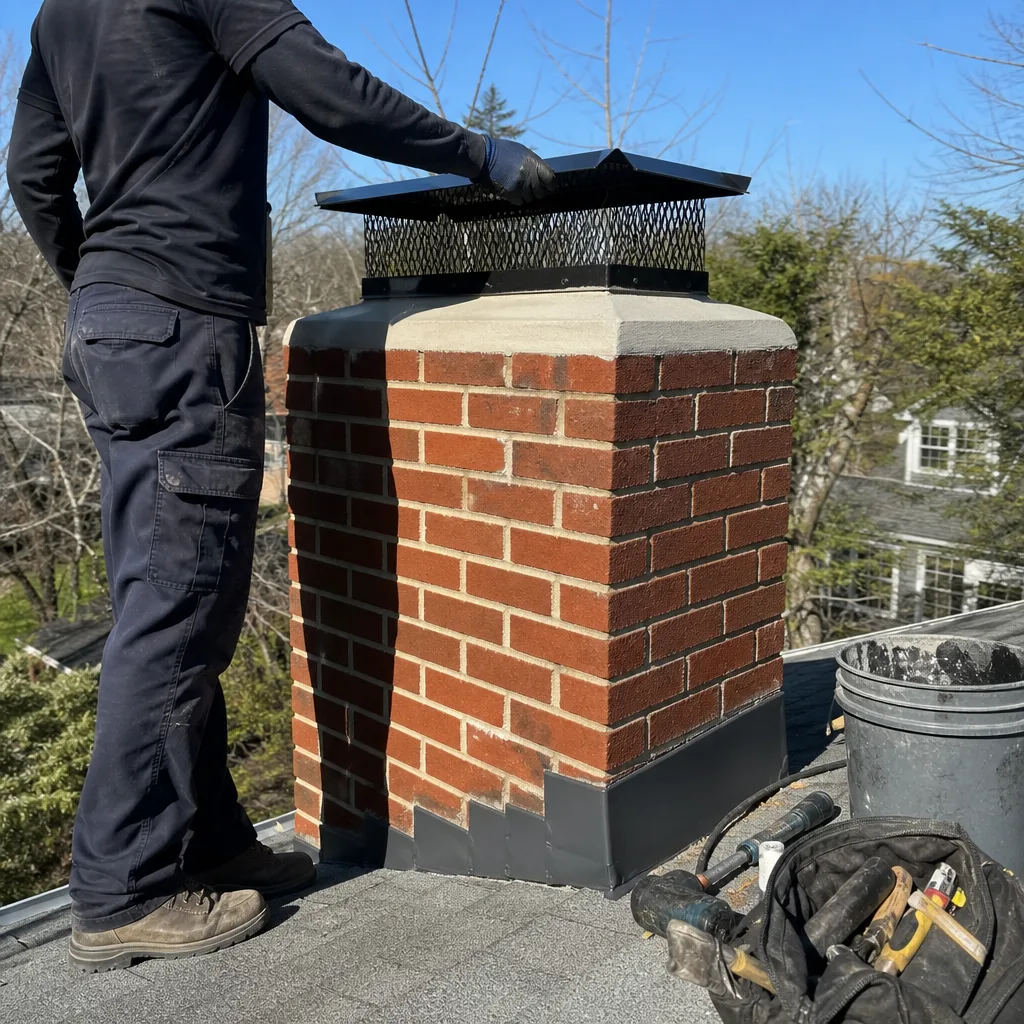
Level 1 sweep and inspection to the NFPA 211 annual standard - flue, crown, cap, and flashing checked and photographed
Chimney sweep logs do not sweep chimneys. They loosen some creosote - which then falls where a brush and vacuum still have to collect it.
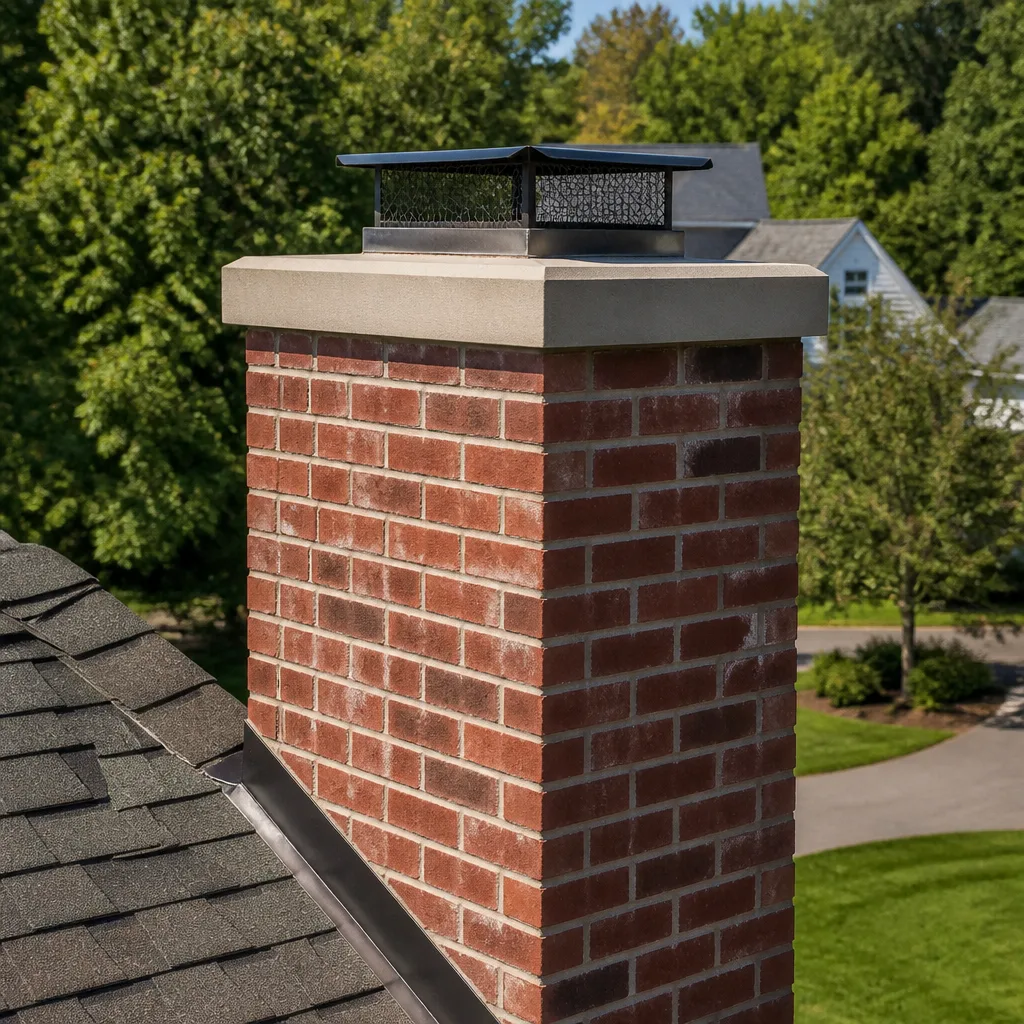
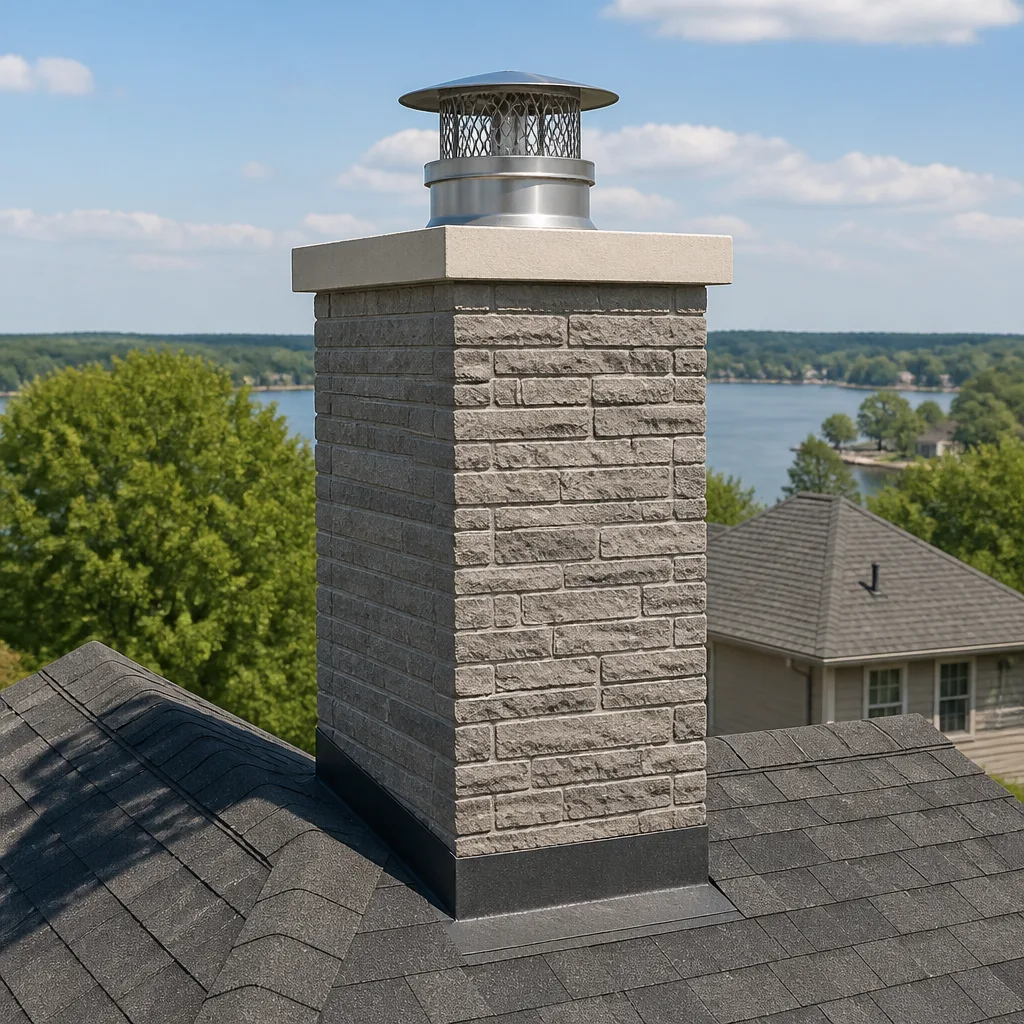
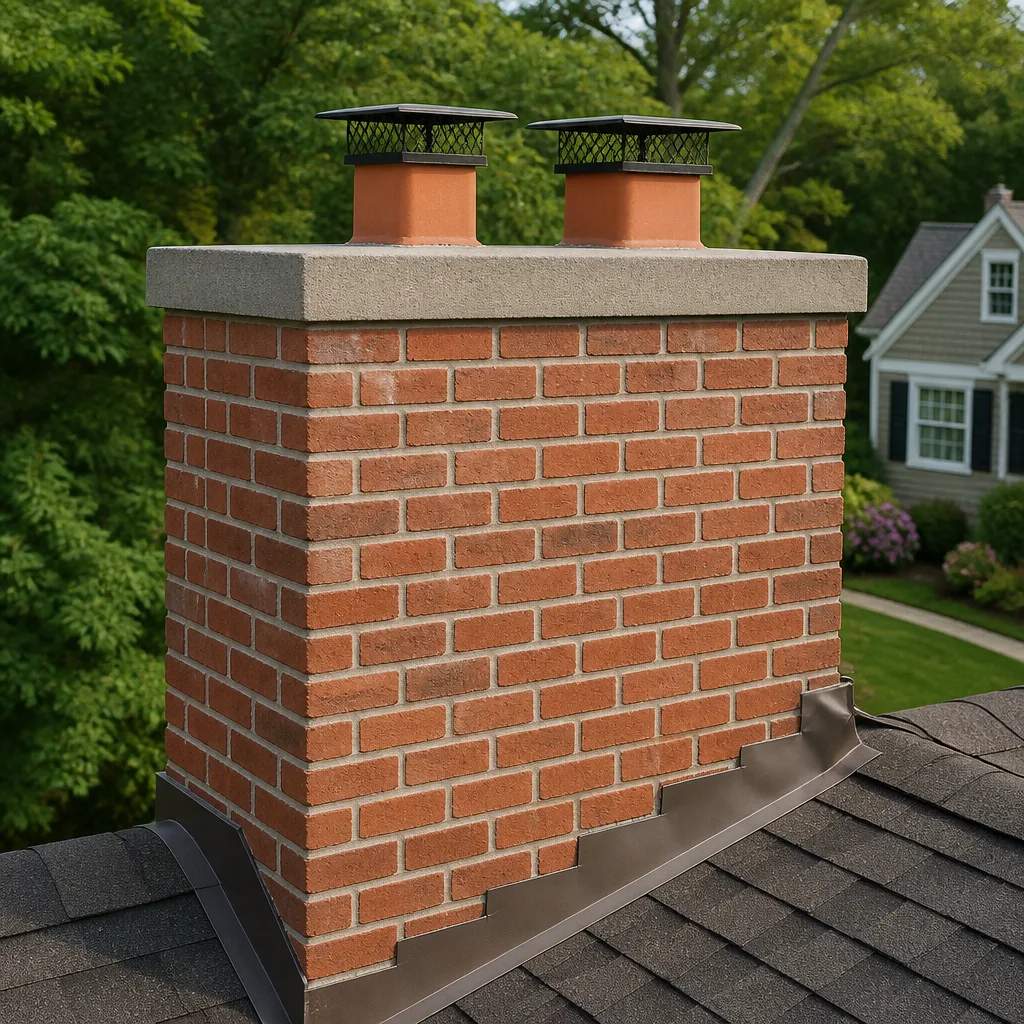
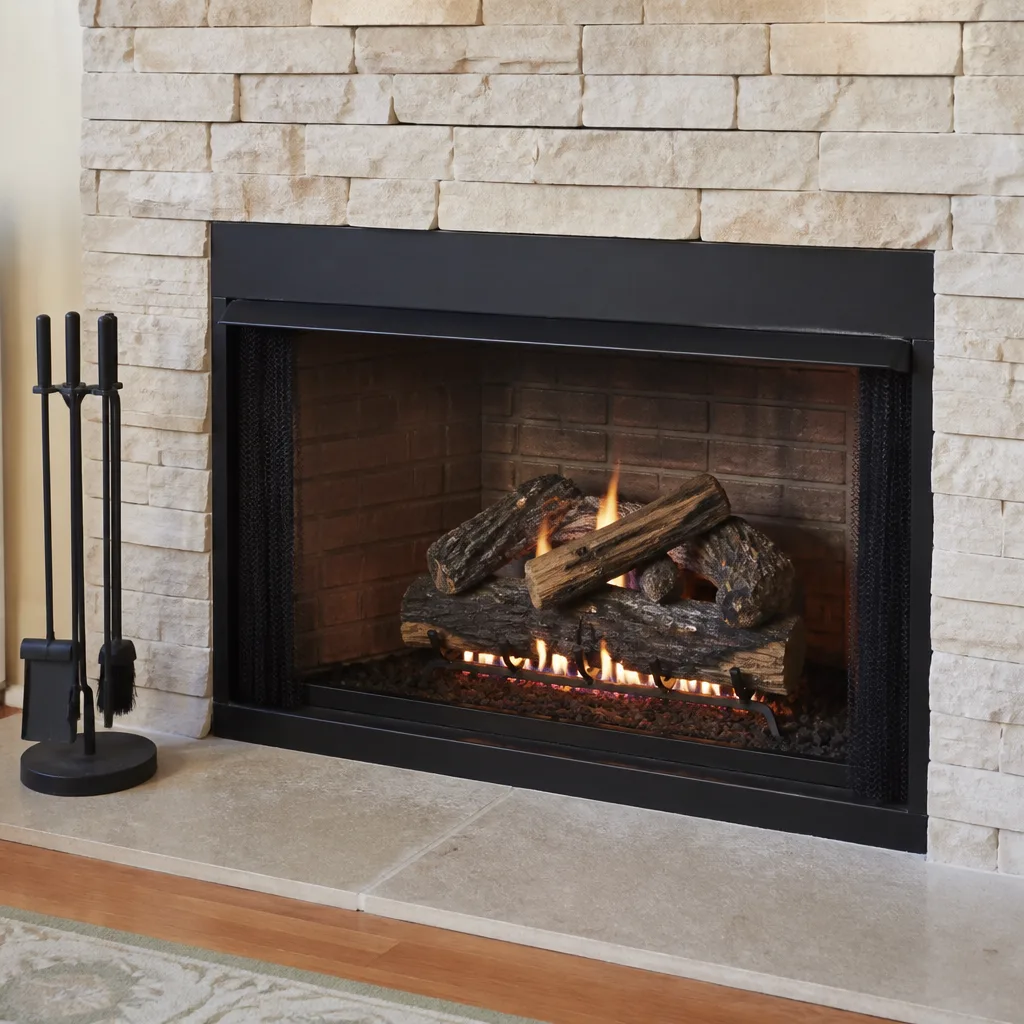
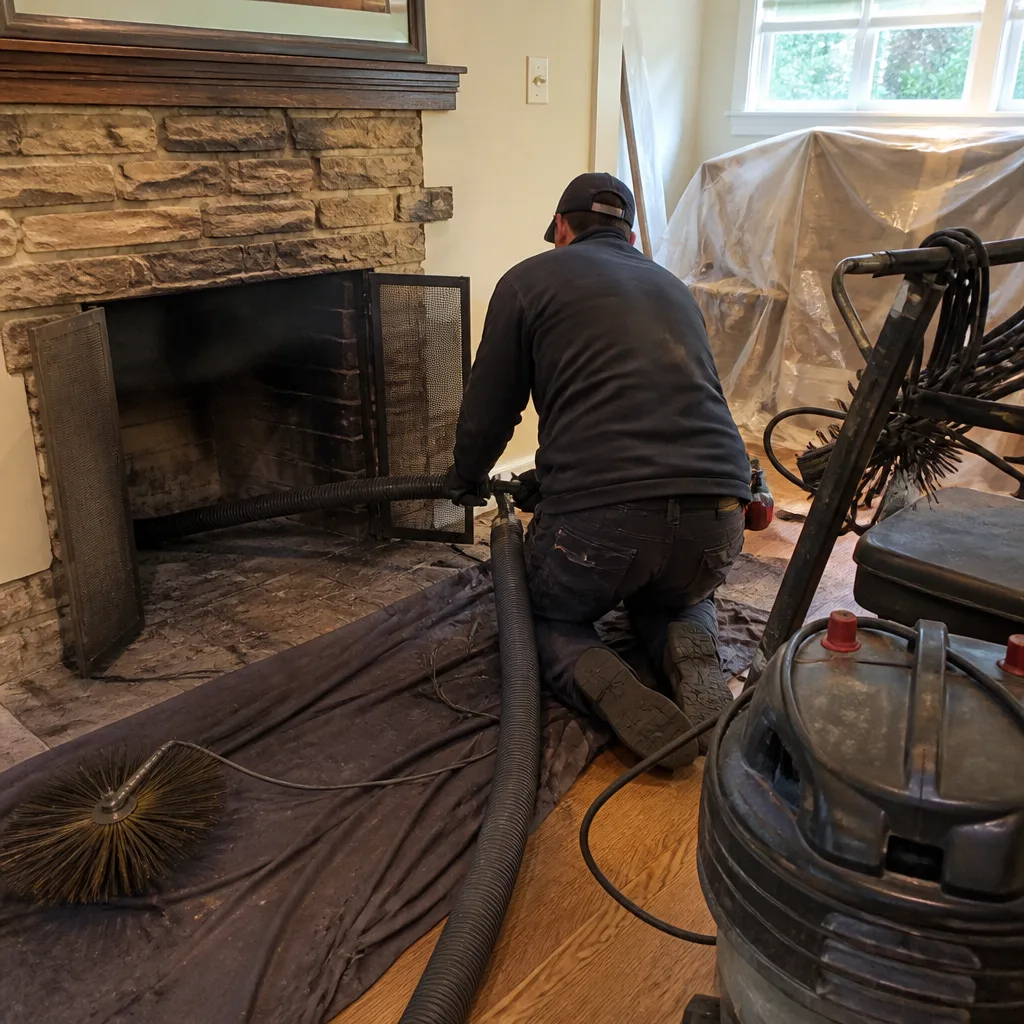 Before
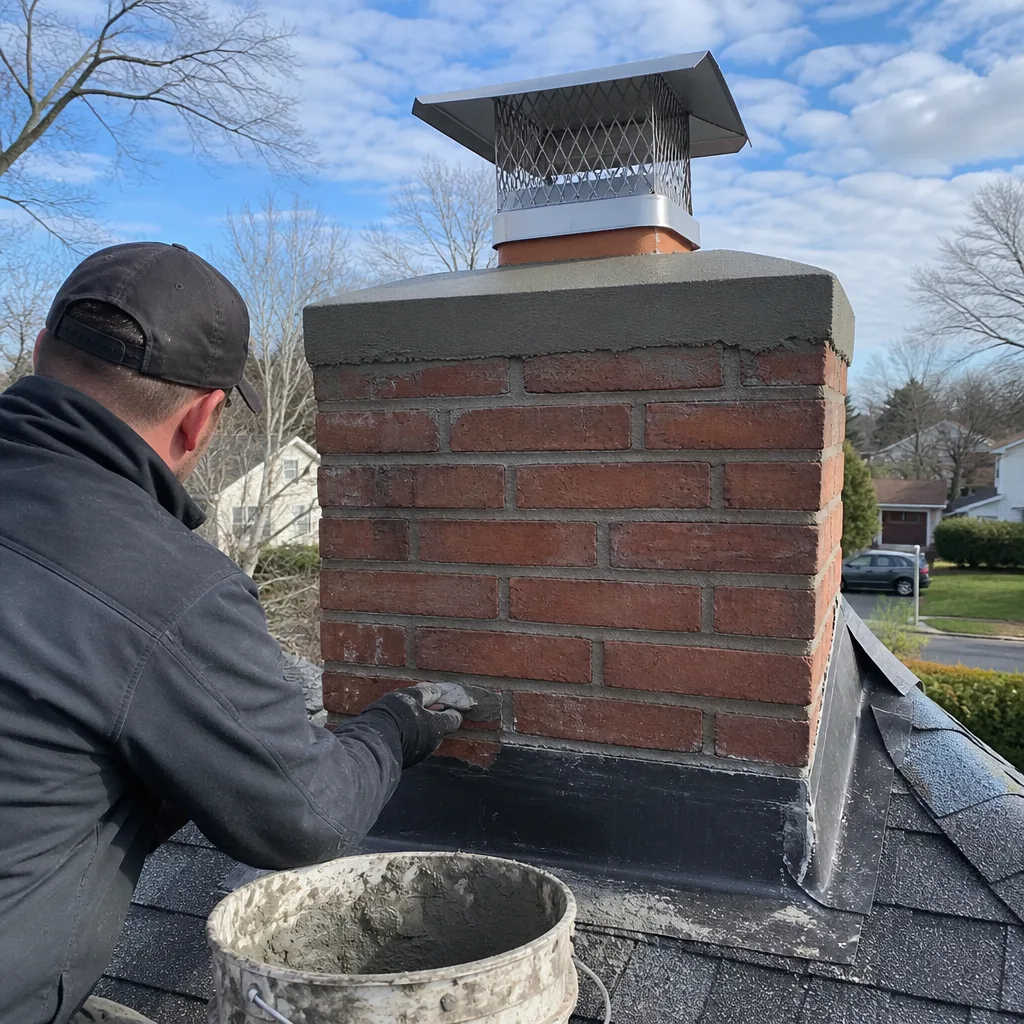 After
After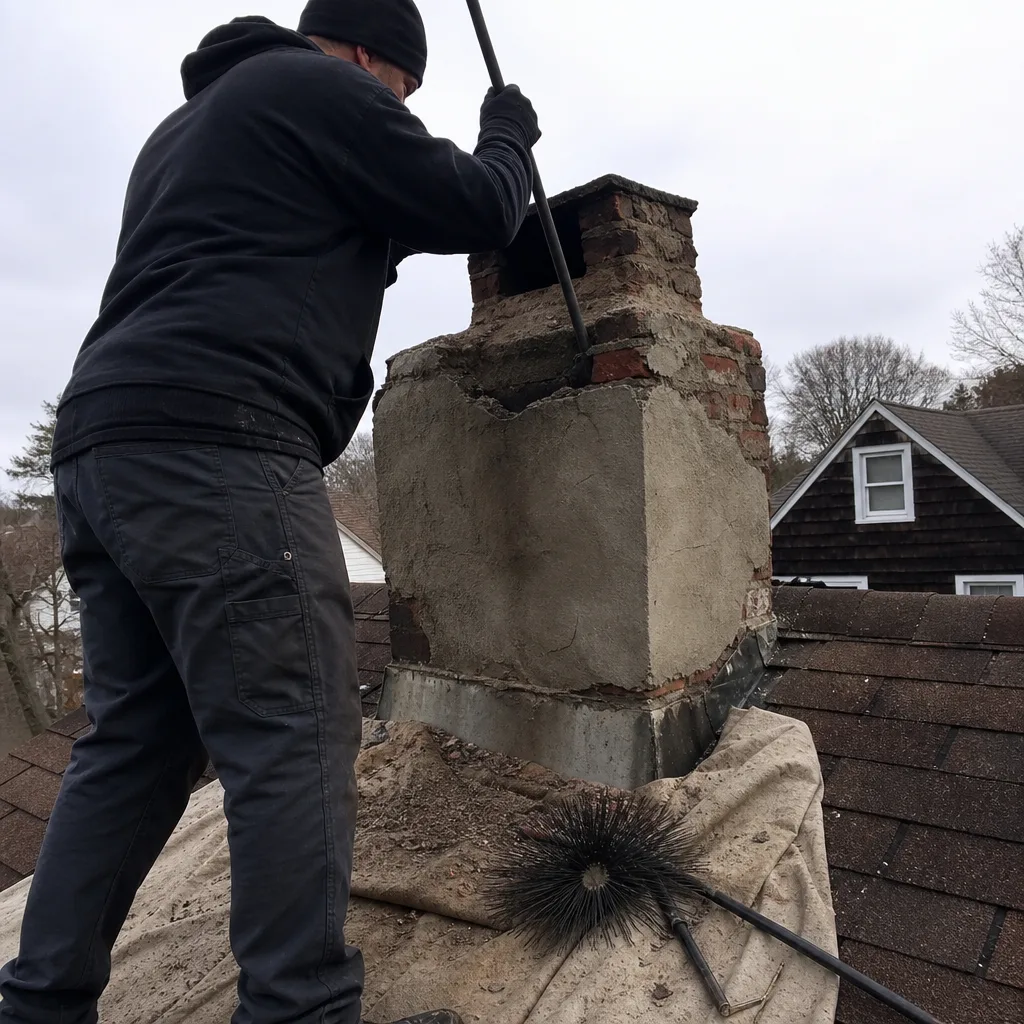 Before
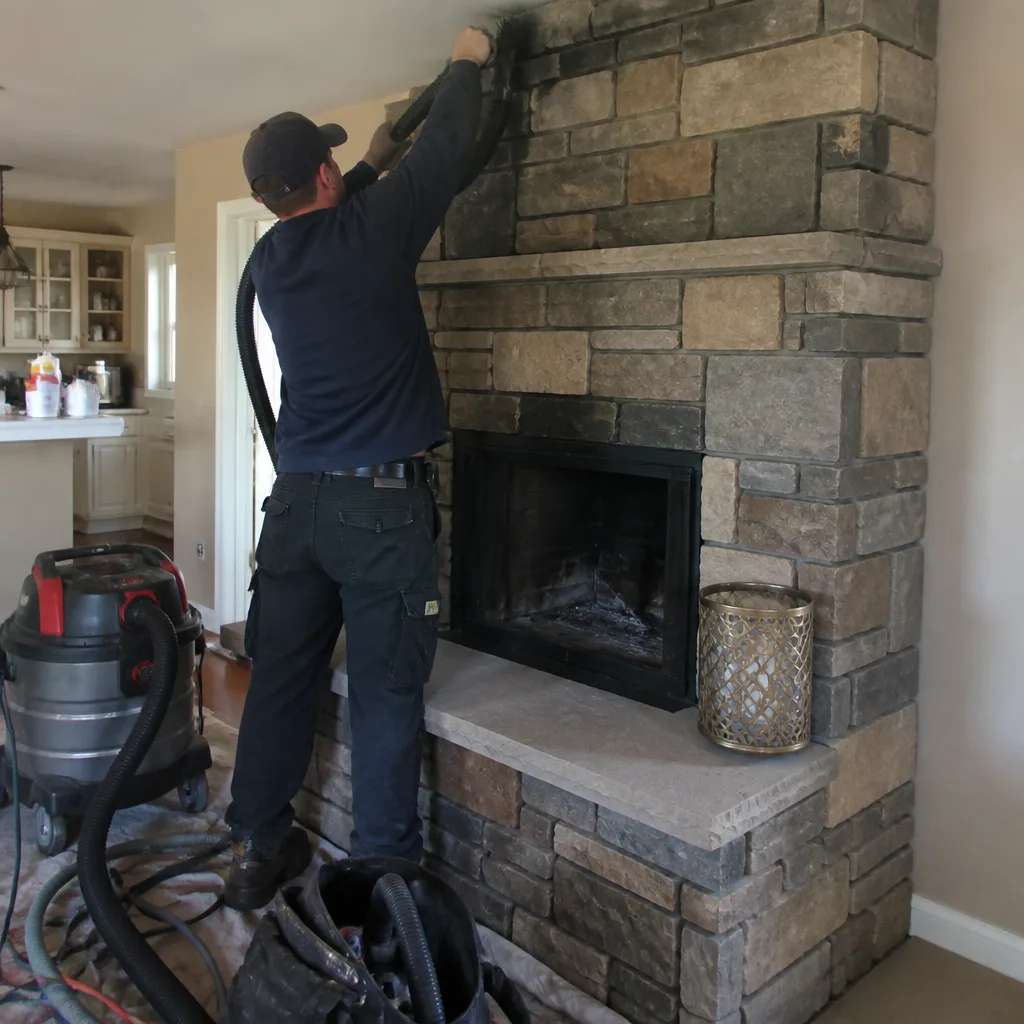 After
After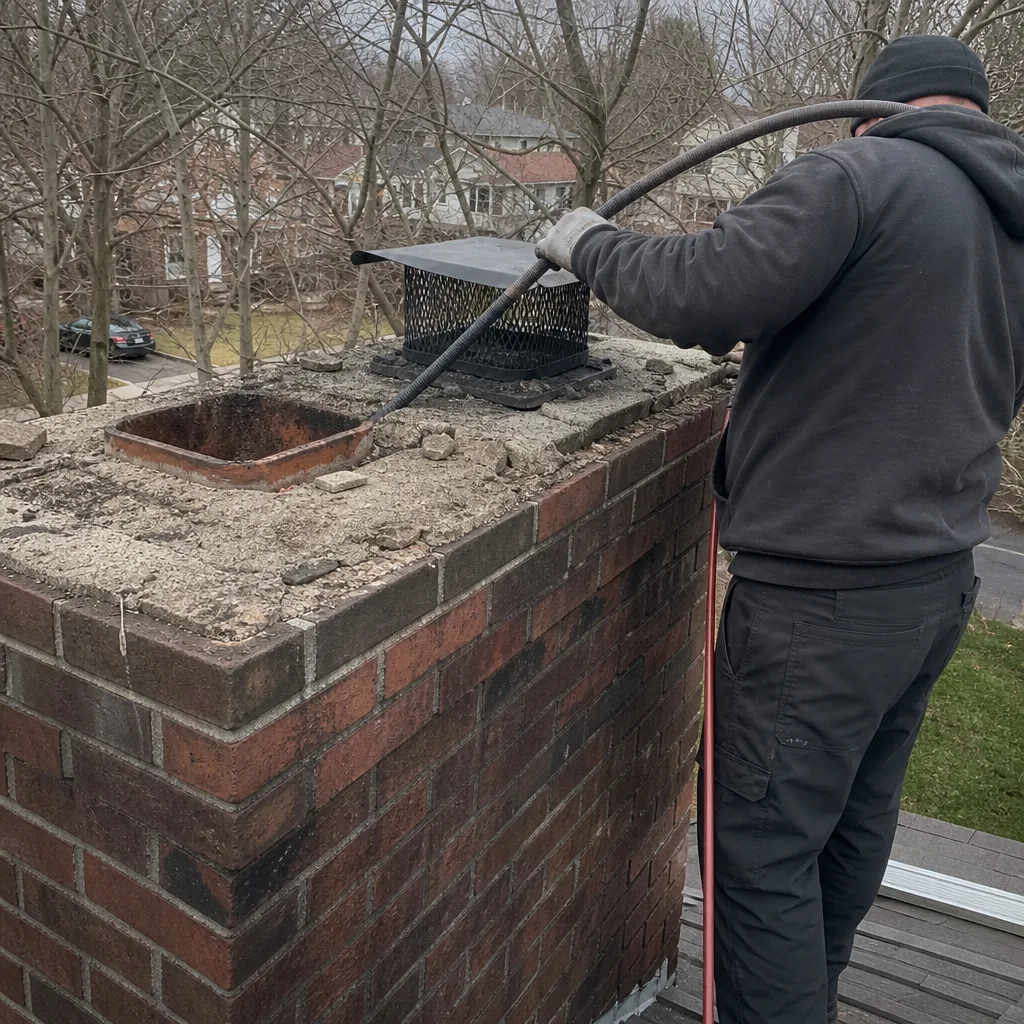 Before
 After
AfterChimney Cleaning & Sweep Maintenance Checklist for Huntington Homeowners
The call that costs the most is almost never from the homeowner who ignored their chimney entirely. It’s from the one who thought they did everything right because they scheduled one cleaning and stopped looking. In Huntington, where a single nor’easter can drive moisture deep into a crown crack and where summer humidity lingers in flues through September, the gap between “swept once” and “properly maintained” is where expensive damage hides. This guide and our Complete Guide to Chimney Cleaning in Huntington give you a season-by-season checklist built for our local weather calendar, plus the specific symptoms you can track yourself between professional visits. You’ll know what to watch for, when to act, and when to stop using the fireplace and call for help.
Quick Answer
Huntington homeowners should inspect their chimney monthly during burning season, schedule our Chimney Cleaning & Sweep services annually before first use, and perform specific pre- and post-storm checks on the exterior crown and cap. Keep a simple log of dates, odors, and visual changes. Stop using the fireplace immediately if you smell smoke in rooms, see cracked flue tiles, or find debris in the firebox. For a documented Level-2 camera inspection with photos you can see, call Hearthstone Chimney Co. at (631) 776-4075.
Table of Contents
- Why Seasonal Maintenance Matters in Huntington
- Month-by-Month Chimney Maintenance Checklist
- What You Can Safely Check Yourself
- Red-Line Items: Stop Using the Fireplace Immediately
- Keeping a Chimney Log That Saves Time and Money
- Post-Storm Inspection: What to Check After Nor’easters
- Common Mistakes to Avoid
- When to Call a Professional
- Frequently Asked Questions
Why Seasonal Maintenance Matters in Huntington
Huntington sits on the North Shore of Long Island where Long Island Sound moderates winter temperatures but does nothing to soften the salt load in coastal air. That salt accelerates metal fatigue in caps and chase covers. Our nor’easters arrive wet, driven by northeast winds that force rain sideways into gaps a calm-day inspection would miss. Summer humidity here averages 70% from June through August, and that moisture condenses in cool flues, mixing with creosote to form acids that eat clay flue tiles from the inside out.
We’ve seen this pattern repeat for over 42 years. A homeowner in Southdown sweeps in October, burns through March, and assumes the chimney is “fine” until next fall. But April’s driving rains find a hairline crown crack opened by freeze-thaw cycles. By September, that crack has widened enough to let water seep behind the flue liner. The first fire of November drives steam through deteriorated mortar joints. The homeowner smells something “off” but lights another log. Six months later, they’re looking at a partial rebuild that a $400 crown repair would have prevented in May.
The seasonal checklist below is built around Huntington’s actual weather calendar, not generic advice from a national website. It accounts for our first frost timing (typically mid-October), our wet spring pattern, and the specific damage modes we’ve documented in local homes from Cold Spring Harbor to East Northport.
Key seasonal risks for Huntington chimneys:
- October first frost: Water trapped in crown cracks freezes and expands, widening gaps before burning season begins
- November-March burning season: Creosote builds rapidly with frequent fires; moisture from humid indoor air condenses in cool upper flue sections
- March-April nor’easters: Wind-driven rain tests every seal and flashing; saturated masonry undergoes accelerated freeze-thaw if temperatures drop
- June-August humidity: Condensation in unused flues activates acidic creosote residues; metal components corrode faster in salt air
Month-by-Month Chimney Maintenance Checklist
September: Pre-Season Preparation
Schedule your professional sweep and inspection now, before the October rush. Every year, we field calls from Huntington homeowners who waited until the first cold snap and found every reputable sweep booked two weeks out. A Level-2 camera inspection before first use documents the flue condition when it’s clean, establishing a baseline for comparison year over year.
Your tasks this month:
- Remove any debris from the firebox left from last season
- Open the damper and check for smooth operation; note any sticking or grinding
- From the ground with binoculars, scan the chimney crown for visible cracks or missing pieces
- Verify that your carbon monoxide detectors are under 7 years old and have fresh batteries
- Schedule professional cleaning and inspection
October: First Fire Protocol
After your sweep, light a small test fire using only newspaper and a few pieces of dry kindling. You’re not heating the room. You’re watching how the system behaves under controlled conditions.
- Light the fire and watch smoke behavior for 10 minutes
- Smoke should draw immediately up the flue with no spillage into the room
- Check all rooms on the same floor and the floor above for any smoke odor
- Walk outside and confirm smoke exits the cap evenly, not backing out at the eaves
- Note any unusual smells (acrid, chemical, or musty) in your chimney log
If smoke spills into the room or you smell it upstairs, stop. Do not “burn it out.” Call for service.
November-February: Monthly Monitoring
During heavy use, check these items on the first of each month:
- Damper opens fully and seats completely when closed
- Firebox walls show no new cracks or spalling (surface flaking)
- Smoke chamber area above the damper shows no black streaks indicating leakage
- Exterior brickwork remains dry after precipitation; dark patches signal water intrusion
- No animal sounds or debris falling into the firebox
March: Post-Season Assessment
After your last fire, perform a thorough visual inspection while the system is still fresh in your memory. Document any changes from October. This is when we find the damage that started mid-season but went unnoticed.
- Inspect the firebox with a flashlight for new cracks, shifted bricks, or deteriorated mortar
- Check the smoke chamber for creosote buildup that may have accumulated since cleaning
- Look up the flue from below; any visible debris or dislodged tiles need professional attention
- Photograph the crown and cap from ground level for year-over-year comparison
April-May: Spring Recovery
Nor’easter season overlaps with spring thaw. Water damage accelerated by freeze-thaw shows up now.
- Walk the property after significant storms and check for fallen bricks or displaced cap pieces
- Look for efflorescence (white powder) on exterior brick - a sign of moisture moving through masonry
- Check attic spaces near the chimney for water stains or musty odors
- Schedule any needed repairs before summer humidity compounds the damage
June-August: Off-Season Protection
The chimney is inactive but not idle. Humidity and salt air continue their work.
- Ensure the cap and screen are intact to block animal entry during nesting season
- Trim overhanging branches that could damage the chimney in summer storms
- Consider a top-sealing damper if you have persistent cold air drafts or animal issues
- Review your chimney log and schedule fall maintenance before the September rush
What You Can Safely Check Yourself
We’re plain about what homeowners can do and what requires training and equipment. The items below involve no ladder work beyond a sturdy step stool, no roof access, and no disassembly of components. If you cannot complete a check safely from these positions, skip it and note the limitation in your log.
From Inside the House
Damper function: Open and close the damper fully several times. It should move smoothly without grinding or catching. A damper that sticks in any position may indicate creosote buildup, a warped frame, or debris obstruction. Note the position that sticks and whether the problem is worse when the flue is cold or warm.
Firebox walls: With a flashlight, examine the rear and side walls for spalling - surface flaking that exposes softer material beneath. In Huntington, we see accelerated spalling in homes within a mile of the Sound where salt air penetrates aging mortar. Catch this early and a HeatShield application may restore the surface. Wait too long and you’re facing rebuild territory.
Smoke chamber: Shine your flashlight up past the damper into the smoke chamber above. You’re looking for black streaks on the walls that indicate smoke leakage through cracks, and for any visible buildup of glazed creosote - shiny, hardened deposits that resist brushing. Glazed creosote is a professional removal job; do not attempt to scrape it yourself.
From Ground Level Outside
Crown condition: Use binoculars from the driveway or yard. A sound crown sheds water with a slight bevel and has no visible cracks wider than a hairline. Look specifically for erosion at the edges where the crown meets the flue tile. In our experience, crowns in Huntington’s coastal zones deteriorate 30-40% faster than inland counterparts due to salt crystallization in the concrete matrix.
Cap and screen: The cap should sit squarely with no visible gaps. Mesh screens should be intact, not rusted through or clogged with creosote. A missing or damaged screen is how squirrels and starlings enter; we’ve removed nests from chimneys in every Huntington neighborhood from Huntington Bay to Elwood.
Flashing at the roofline: From the ground, you can sometimes spot lifted or separated flashing - the metal joint where chimney meets roof. Look for gaps that would admit water, especially on the uphill side where runoff concentrates. Do not climb to inspect flashing closely; that’s a professional task.
What You Should Never Do Yourself
Do not climb on the roof to inspect the crown closely. Do not attempt to clean the flue with household tools. Do not disassemble the damper mechanism. Do not operate a chimney brush without training in proper technique - incorrect brushing can damage clay flue tiles or lodge the brush in the flue, requiring an expensive extraction call. We’ve responded to all of these situations in Huntington homes, and none of them needed to happen.
Red-Line Items: Stop Using the Fireplace Immediately
Some symptoms - detailed in our Chimney Cleaning Warning Signs: A Huntington Homeowner’s Reference Guide - mean the risk of chimney fire or carbon monoxide intrusion has crossed from theoretical to immediate. Stop using the fireplace. Do not light another fire to “test” whether the problem persists. Call for professional inspection before next use.
Absolute stop-use conditions:
- Smoke or carbon monoxide detectors activate during a fire. Even a single alarm event indicates combustion gases are not exiting properly. Check detectors first for battery issues, but do not dismiss an alarm as “just old batteries” without verifying flue function.
- Visible smoke in rooms other than the fireplace area. This indicates a breach in the flue or negative pressure conditions that reverse draft. Both can worsen without warning.
- Debris, tile fragments, or animal nesting material in the firebox. Any material that has fallen from the flue represents an obstruction or structural failure. A partially blocked flue can cause rapid carbon monoxide buildup.
- Cracked or missing flue tiles visible from below. The flue liner contains combustion gases and protects the surrounding structure from heat. A breach allows heat transfer to combustible framing - a recognized fire hazard.
- Strong, persistent odor of creosote or asphalt in the house. This often indicates a heavy, possibly glazed creosote deposit that has begun to off-gas at room temperature. It is a precursor to chimney fire conditions.
- Visible flames or glowing material anywhere except the firebox. Chimney fires can produce external glow through cracks or at the roofline. This is an emergency; evacuate and call 911, then call for chimney inspection before future use.
After any stop-use event, document what you observed with dates and photos. This information accelerates professional diagnosis and helps establish whether the condition developed gradually or appeared suddenly.
Keeping a Chimney Log That Saves Time and Money
A simple chimney log transforms vague complaints into actionable data. When Russell Haines or one of our technicians arrives for an inspection, a log with six months of entries tells us more in two minutes than a homeowner’s memory can in twenty. We’ve solved problems in single visits that might otherwise have required return trips specifically because the homeowner kept good records.
Your log needs no special format. A dedicated notebook, a notes app, or even dated emails to yourself work fine. Include these elements:
- Date and weather conditions. Temperature, recent precipitation, and wind direction affect draft behavior. A smoky fireplace on a warm, humid day may perform fine in cold, dry conditions - the log reveals the pattern.
- Fire characteristics. Wood species burned, moisture content if known, and fire size. Softwoods like pine produce more creosote; unseasoned wood produces significantly more.
- Damper position and behavior. Note any sticking, unusual resistance, or positions where smoke behavior changes.
- Smoke behavior. Did it draw immediately? Any spillage into the room? Odor in upstairs rooms?
- Exterior observations. Smoke color and density from outside, any visible gaps or changes in cap/crown appearance.
- Anomalies. Any smell, sound, or visual change that struck you as different from normal.
Bring your log to every professional visit. It costs nothing to maintain and can save hundreds in diagnostic time. In one case in Huntington Station, a homeowner’s log spanning three years revealed that draft problems always coincided with southeast winds above 15 mph - a specific condition we could address with a cap modification rather than a full liner replacement the homeowner had been quoted elsewhere.
Post-Storm Inspection: What to Check After Nor’easters
Huntington’s coastal position exposes chimneys to conditions that inland Long Island doesn’t experience. A March nor’easter with sustained northeast winds at 35 mph drives rain into gaps that a west wind would miss entirely. The checklist below applies after any significant storm, defined as sustained winds above 25 mph or total rainfall above one inch in six hours.
Immediate Exterior Check (After Storm Passes, From Ground Level)
- Walk the full perimeter and look for fallen bricks, pieces of crown, or cap components on the ground
- Binocular-scan the crown for new cracks, displaced sealant, or standing water that indicates loss of bevel
- Check that the cap has not shifted or rotated on its base
- Look for new staining on exterior brick below the roofline - dark vertical streaks indicate water penetration
- Verify that gutters and downspouts are clear; overflow near the chimney foundation causes settlement issues over time
Interior Check (Same Day)
- Smell the firebox and smoke chamber area for mustiness that wasn’t present before the storm
- Check attic spaces near the chimney for water stains or damp odors
- Look at ceiling areas directly below the chimney for new discoloration
- Test damper operation; moisture intrusion can cause swelling or corrosion that manifests as sticking
Document everything with dated photos, even conditions that appear unchanged. Year-over-year photo comparison reveals gradual deterioration that no single inspection catches. We’ve shown homeowners side-by-side images of their crown from 2019 and 2023 where the transformation was dramatic - yet they’d walked past it daily without noticing.
After major storms, we often see clustered damage in specific Huntington neighborhoods. The 2021 nor’easter that tracked just east of us produced a run of calls from homes near Huntington Harbor where wind direction and exposure aligned to force water behind flashing that had been sound for decades. Local knowledge matters in interpreting storm damage; a generic checklist doesn’t account for our specific coastal exposure.
Common Mistakes to Avoid
- Assuming one annual sweep covers all maintenance. Cleaning removes combustible deposits but does not address crown deterioration, cap damage, or liner degradation that progress year-round. The sweep is a snapshot, not a shield.
- Ignoring off-season symptoms. A musty smell in July, a draft that reverses on humid August afternoons - these are data points, not quirks. Log them and mention them at your fall inspection.
- Using the fireplace to “test” a suspected problem. We’ve heard “I lit a small fire to see if it was really an issue” more times than we can count. Smoke spillage, carbon monoxide intrusion, and chimney fire conditions do not improve with additional combustion. Stop and call.
- Hiring based on the lowest quote without verifying scope. A $99 sweep that doesn’t include a Level-2 camera inspection leaves the flue interior undocumented. In Huntington’s competitive market, we’ve seen homeowners pay for three “cheap” sweeps across two years that collectively cost more than one proper inspection would have, with problems missed each time.
- Neglecting the smoke chamber. The area above the damper is invisible in casual use and inaccessible to standard brushing from below without proper equipment. Yet it’s a common site of creosote accumulation and structural cracking. A thorough inspection requires camera access or proper chamber evaluation.
- Failing to verify insurance and guarantee terms in writing. Any sweep can claim to be “fully insured” or to “guarantee their work.” The specific terms matter. Our 90-Day Done Right Promise is in writing with no arguing - because we’ve learned that verbal guarantees evaporate when problems arise.
- Disregarding neighborhood-specific exposure. A chimney in Huntington Bay, three blocks from the Sound, faces different salt-air and wind-load conditions than one in Dix Hills, two miles inland. Maintenance frequency and specific vulnerabilities vary accordingly.
When to Call a Professional
Call for service when you encounter any red-line item listed above, when your annual pre-season inspection is due, or when your log shows a pattern of anomalies you cannot explain. Also call after any significant storm if your inspection reveals new damage, or if you’re purchasing a home and need baseline documentation of chimney condition.
A proper professional evaluation includes a Level-2 camera inspection of the flue interior, documented with photos you can see and a plain-English verdict on what needs attention now, what can be scheduled, and what’s in good shape. No recommendation should come without visual evidence you can examine yourself.
Chimney Cleaning & Sweep in Huntington from Hearthstone Chimney Co. includes this full documentation. We’ve served local communities for over 42 years, and we plan to be here when your chimney needs attention again. Free estimates in Huntington - call (631) 776-4075. A live person answers every call, 24 hours a day, 7 days a week.
Frequently Asked Questions
A professional chimney sweep and Level-2 inspection in Huntington typically ranges from $250 to $450 depending on chimney height, accessibility, and whether the flue requires specialized creosote removal. Our $89 Seasonal Tune-Up offers a limited-scope option for well-maintained systems; full inspections with camera documentation run higher but include the photos and written verdict that protect you from surprise repair recommendations. Call (631) 776-4075 for an exact quote - estimates are free.
The National Fire Protection Association recommends annual inspection for all chimneys, with cleaning frequency determined by use and fuel type. In Huntington, where humid summers accelerate creosote acidity and coastal salt air corrodes metal components, we advise annual sweeping for any system burned more than 20 times per season. Heavy use of softwoods or unseasoned wood may require mid-season cleaning. Your chimney log will reveal whether your pattern warrants more frequent service.
You need a new liner when the existing one is cracked, perforated, or improperly sized for your appliance - and not before. We recommend nothing without camera evidence you can see for yourself. In some cases, a damaged liner can be relined with a stainless steel system from DuraFlex or Olympia Chimney rather than full replacement. In others, the damage is localized enough that targeted repair with appropriate materials makes sense. The key is documented diagnosis, not a sales pitch. If another company recommended liner replacement, our free second opinion on any written estimate gives you that documentation.
Skipped maintenance leads to three predictable outcomes, in rough order of frequency: dangerous creosote buildup that ignites in chimney fires; water intrusion that destroys liner, masonry, and adjacent framing; and carbon monoxide intrusion through deteriorated flue walls. The first two produce visible warning signs if you’re watching. The third does not. Carbon monoxide is odorless and colorless. Annual inspection with a functioning CO detector is your only reliable protection. The cost of maintenance is predictable. The cost of neglect is not.
You can remove ash and debris from the firebox, check the damper, and perform the ground-level inspections described in this guide. You should not attempt to brush the flue liner yourself. Proper chimney brushing requires training in brush selection, rod handling, and debris containment. Incorrect technique can damage clay flue tiles, lodge brushes in offset flues, or scatter combustible creosote into living spaces. We’ve extracted homeowner brushes from Huntington chimneys and repaired tile damage caused by aggressive DIY cleaning. The savings are illusory.
A sweep removes combustible deposits from the flue, firebox, and smoke chamber. An inspection evaluates the system’s structural condition, clearances, and suitability for continued use. In our practice, the two are combined: we clean first so the camera inspection reveals actual surface conditions, not creosote masking. A sweep without inspection is incomplete. An inspection without cleaning may miss conditions hidden by deposits. Chimney Cleaning & Sweep in Huntington from Hearthstone Chimney Co. includes both, documented with photos.
Huntington follows the New York State Uniform Fire Prevention and Building Code, which adopts NFPA 211 standards for chimney construction and maintenance. Local amendments primarily affect new construction clearances and wood-burning appliance installations in flood-prone zones. For existing homes, the relevant requirement is compliance with NFPA 211’s maintenance standards, which mandate annual inspection. If you’re undertaking repairs or modifications, permits may be required through the Town of Huntington Building Division. We handle permit coordination for any work we perform that requires it.
The Bottom Line
Chimney maintenance in Huntington is not a single annual appointment, as our more guides & resources explain in depth. It’s a year-round practice of observation, documentation, and timely response to what your specific system tells you. The homeowners who spend the least on chimney care over a decade are not the ones who found the cheapest sweep. They’re the ones who caught crown cracks in April, noted draft changes in their log, and called for documented inspection before small problems became emergencies. Start your chimney log this season. Perform the monthly checks we’ve outlined. And when you need professional evaluation, demand photos you can see and a plain-English verdict you can understand. Done right - and we stand behind it.
Chimney Repair in Huntington | Fireplace Services in Huntington | Hearthstone Chimney Co. home
Written by Russell Haines, Owner at Hearthstone Chimney Co., serving Huntington since 2014.