
Last updated September 10, 2026
Level 1 sweep and inspection to the NFPA 211 annual standard - flue, crown, cap, and flashing checked and photographed
Chimney sweep logs do not sweep chimneys. They loosen some creosote - which then falls where a brush and vacuum still have to collect it.
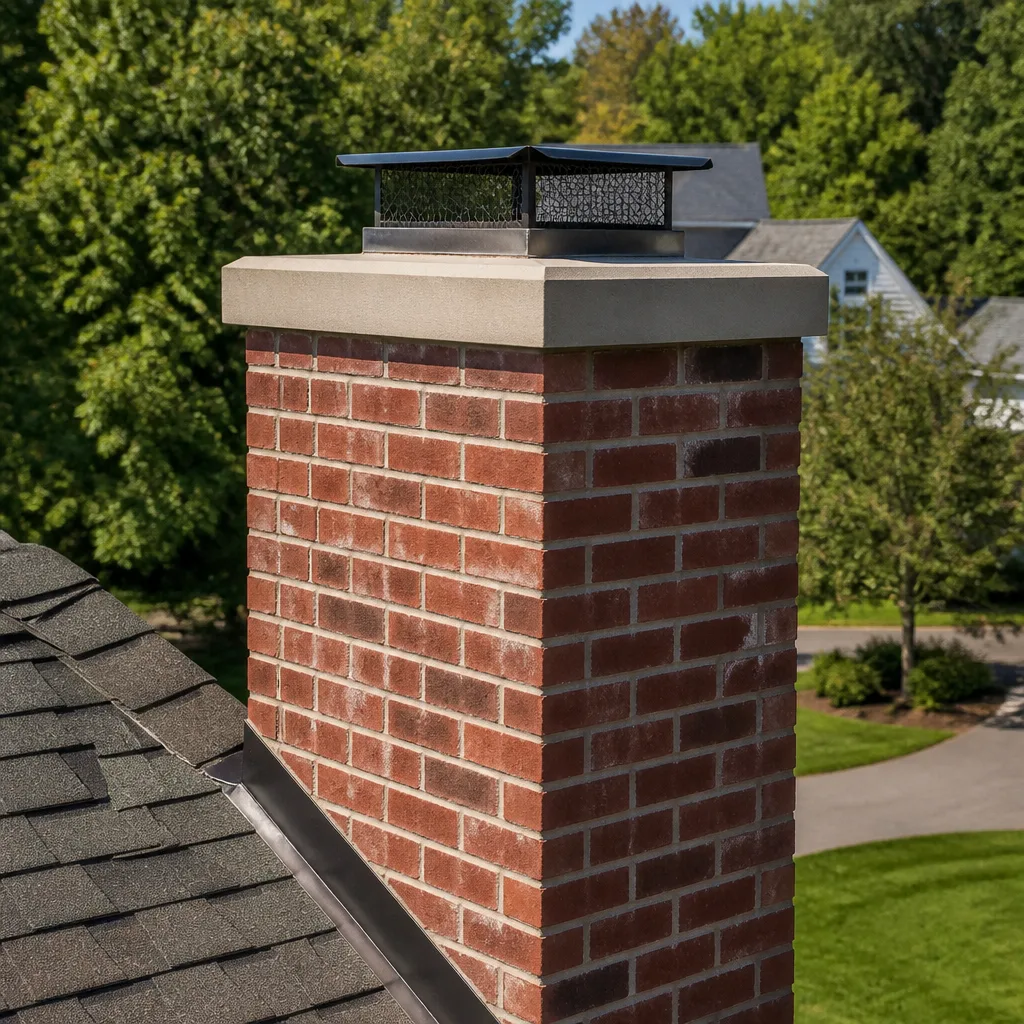
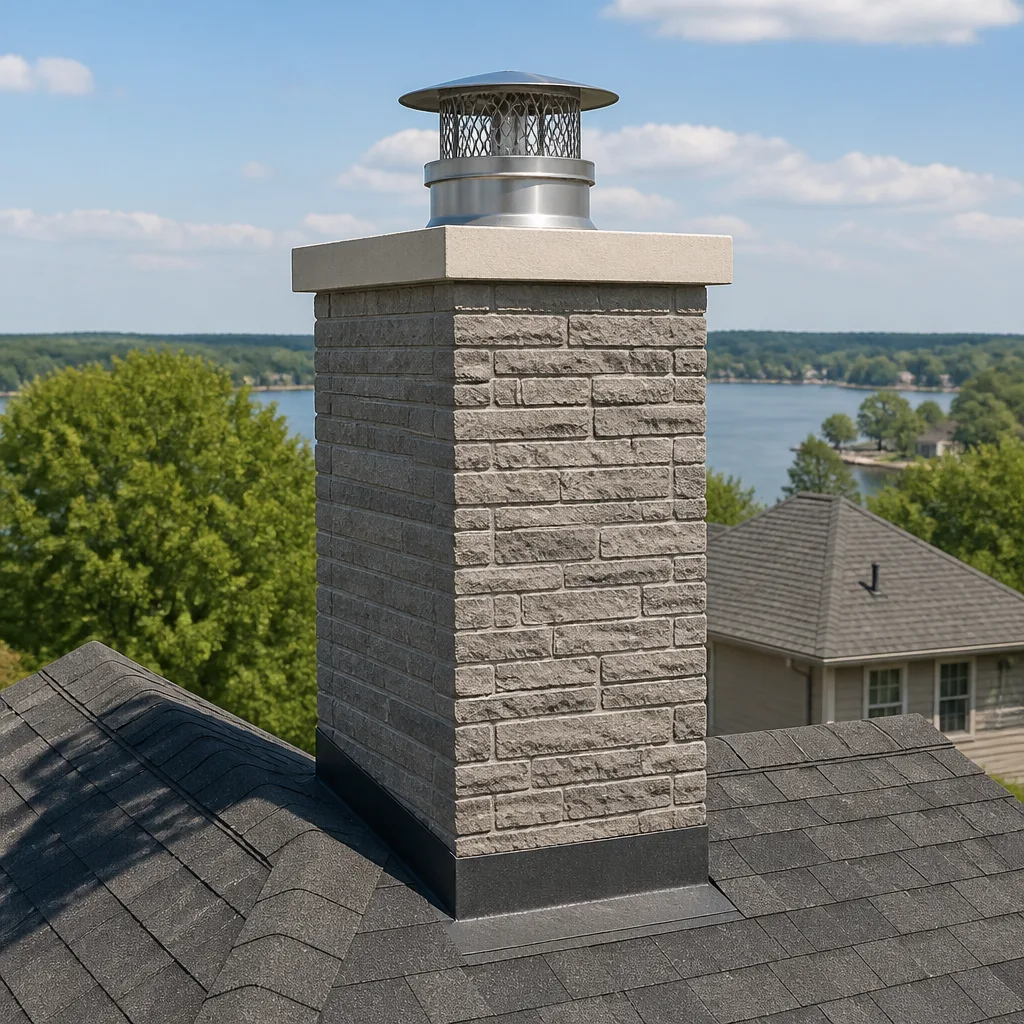
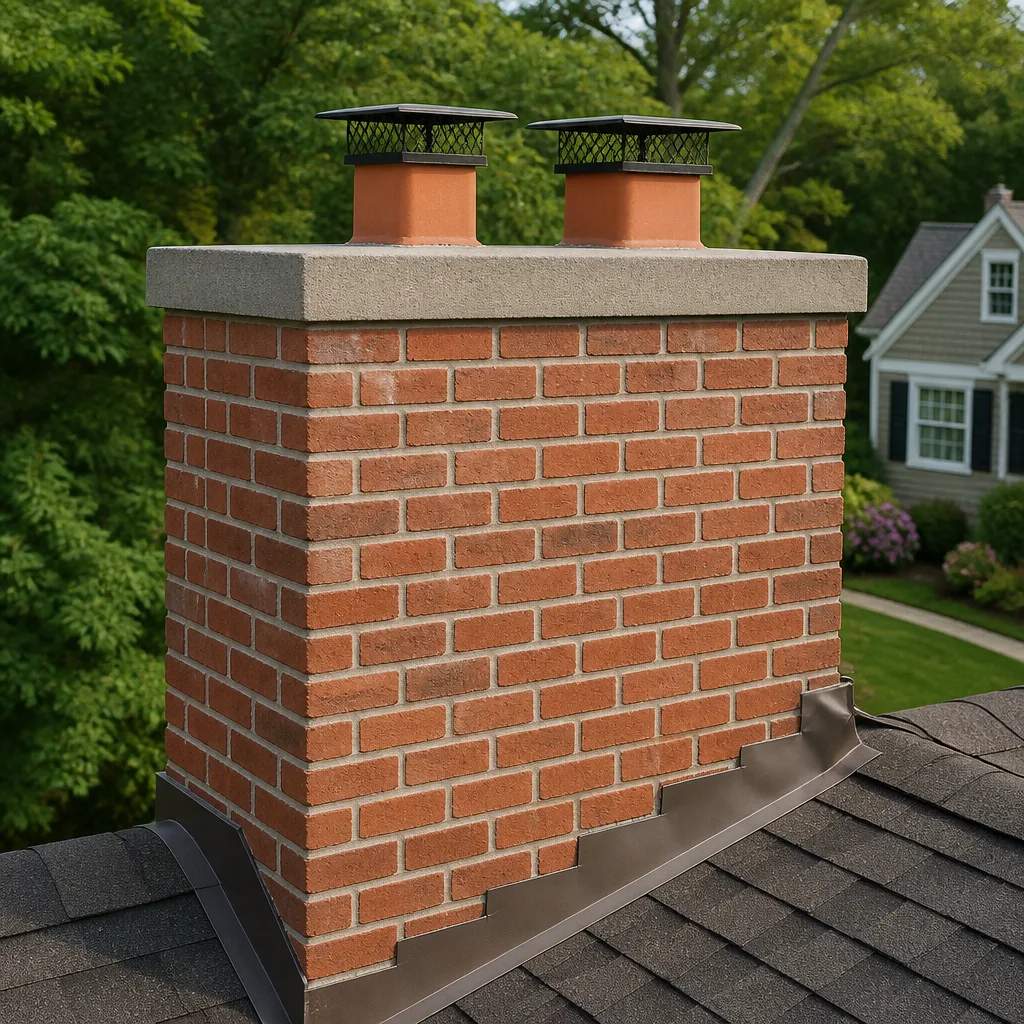
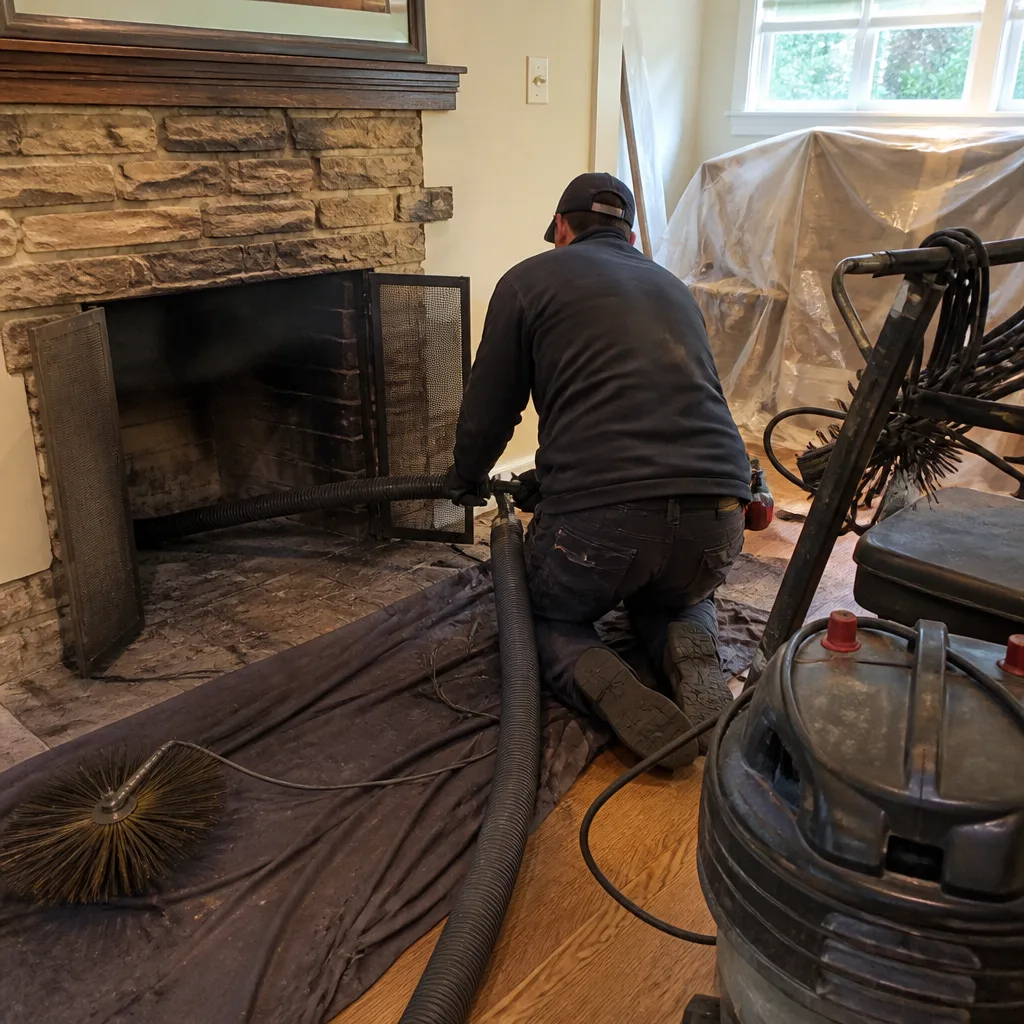 Before
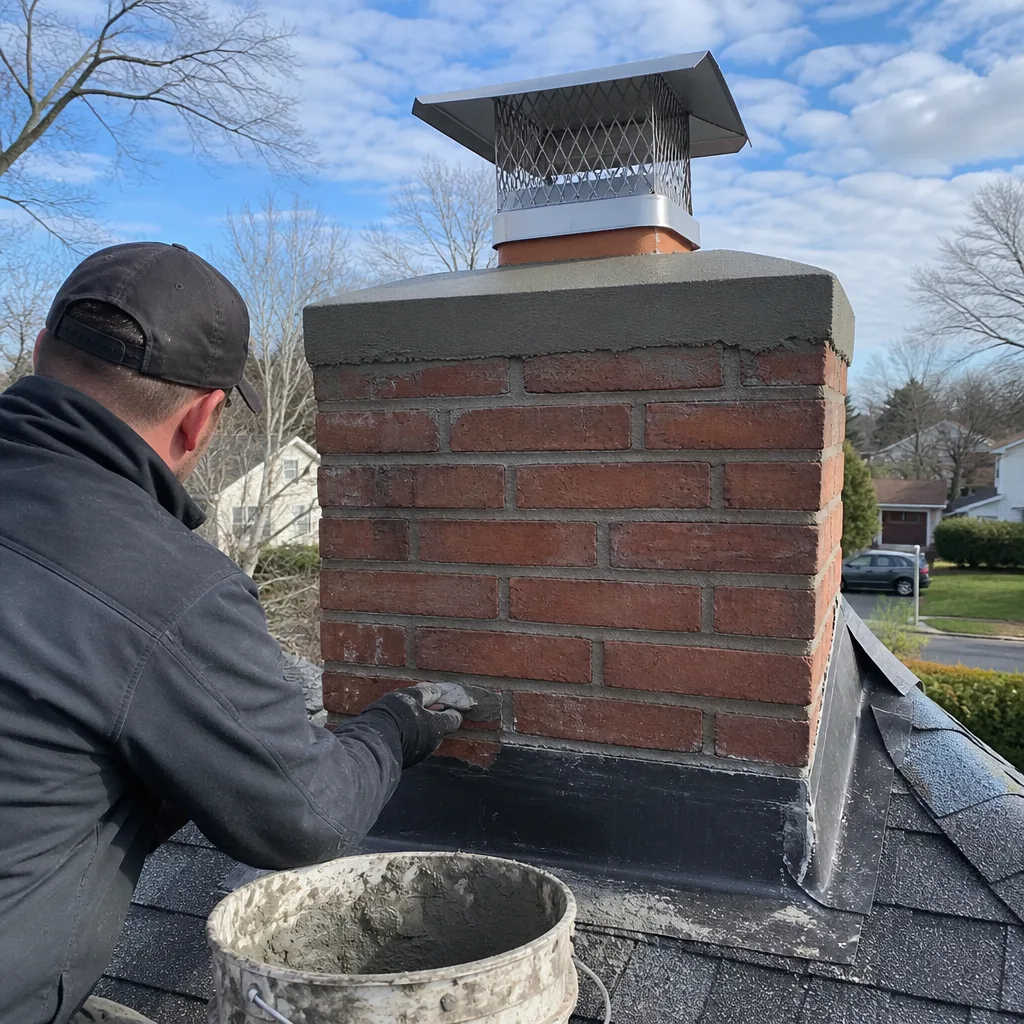 After
After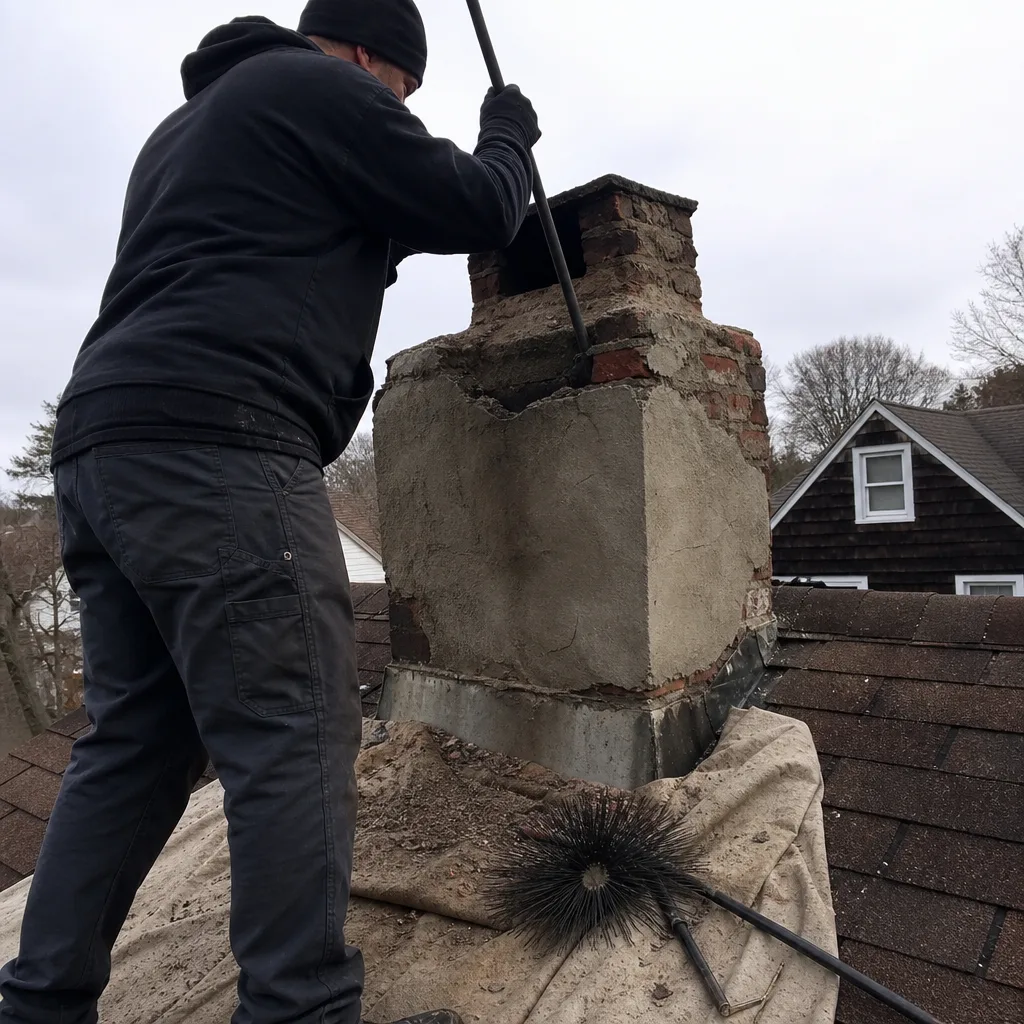 Before
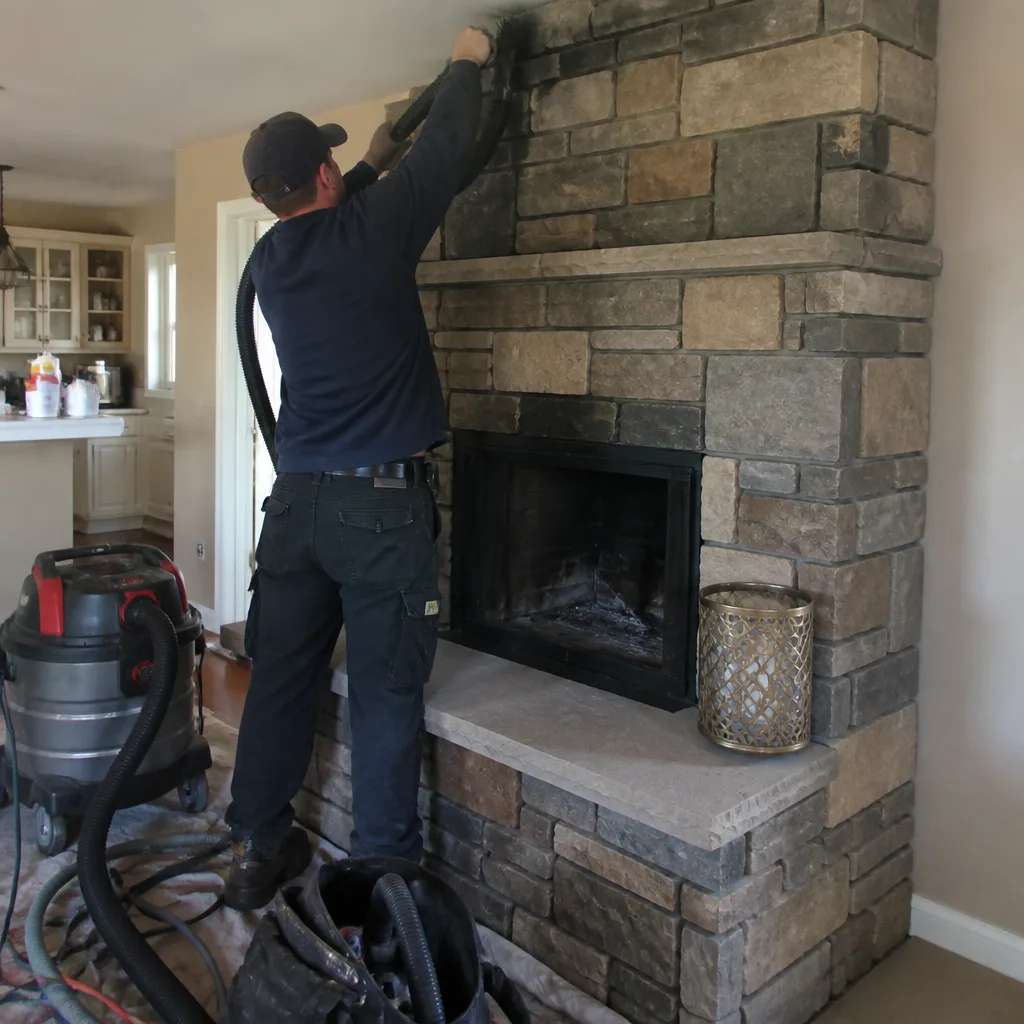 After
After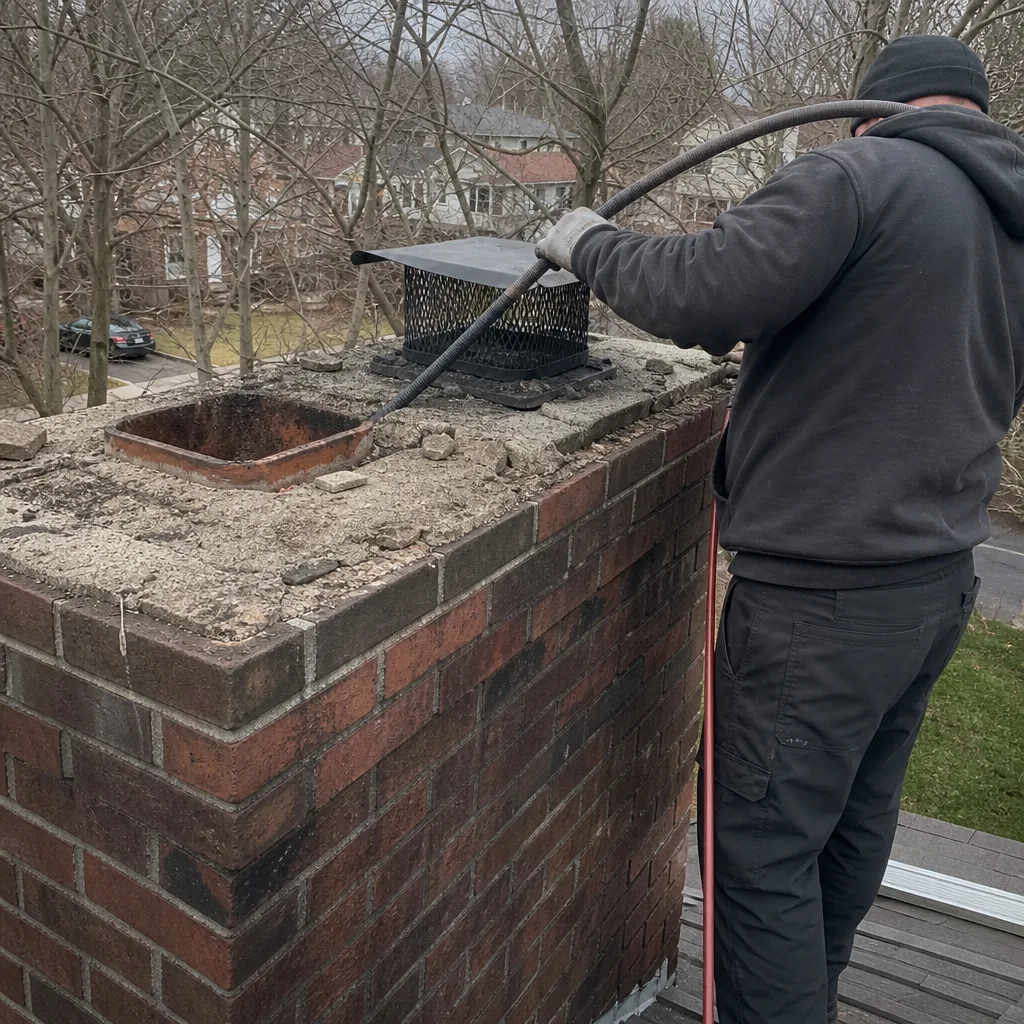 Before
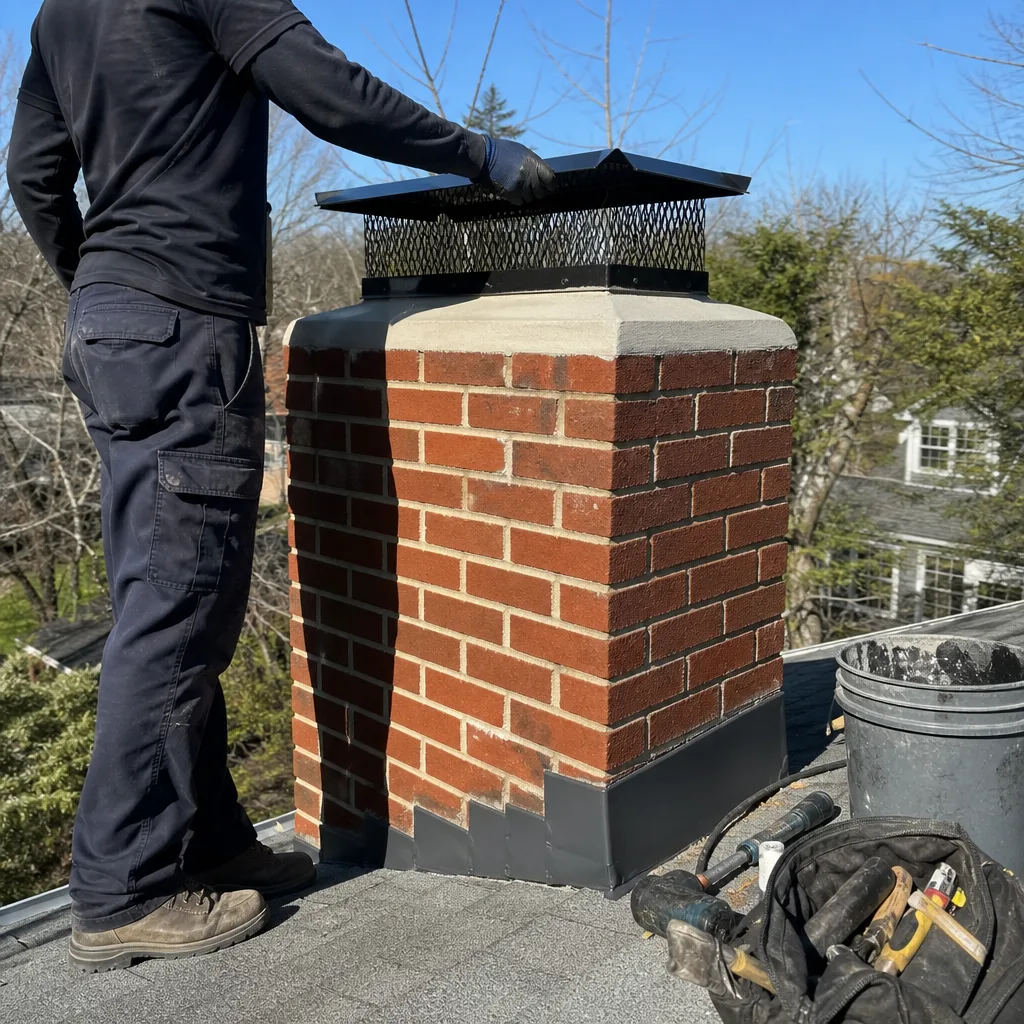 After
AfterSeasonal Chimney Cleaning Care for Huntington: Year-Round Homeowner’s Guide
The month your chimney takes the most damage isn’t December. It’s March, when Long Island’s freeze-thaw cycles crack mortar joints that looked fine all winter, and most Huntington homeowners won’t notice until they light their first fire next October. After 42 years in this business, we’ve learned that treating chimney care as a once-a-year appointment misses half the story. Huntington’s coastal climate, with its humid summers, salt-laden winds, and hard freeze-thaw winters, stresses masonry and flue systems in distinct ways each season. This guide explains what actually happens to your chimney through the year, what you can check yourself, and when a professional inspection saves you from a repair that costs ten times more. For more guides & resources, visit our blog.
Quick Answer
Huntington homeowners should maintain chimneys on a four-season schedule: spring inspection for freeze-thaw damage and nesting removal, summer monitoring for acidic condensation buildup during idle months, pre-fall cleaning and Level-2 camera inspection before first use, and winter monitoring for performance changes. Annual sweeping alone is insufficient for Long Island’s climate; the chimney’s condition between burns matters as much as what happens during them. See our Chimney Cleaning & Sweep Maintenance Checklist for Huntington Homeowners for a complete seasonal breakdown.
Table of Contents
- Spring: The Hidden Damage Season
- Summer: The Idle Chimney Problem
- Fall: The Pre-Season Window That Matters Most
- Winter: What to Watch While You Burn
- What Homeowners Can Check From the Ground
- Nesting Season: Which Animals Use Huntington Chimneys
- What Seasonal Chimney Care Costs in Huntington
- Common Mistakes to Avoid
- When to Call a Professional
- Frequently Asked Questions
- The Bottom Line
Spring: The Hidden Damage Season
By late March in Huntington, we’ve already taken dozens of calls from homeowners who noticed water stains on their ceilings after the final snowmelt. The damage didn’t happen during the storm. It happened during the fifty freeze-thaw cycles that followed, when water seeped into hairline cracks, expanded as ice, and widened those cracks into pathways for the next rain.
Long Island’s winter pattern is particularly brutal for chimneys. Temperatures swing from the teens to the forties repeatedly from January through March. Brick and mortar absorb moisture from melting snow and driving rain off the Sound, then that moisture freezes overnight. Each cycle widens micro-fissures. By spring, a joint that was tight in November has become a channel.
Here’s what we find on spring inspections in Huntington neighborhoods from Cold Spring Harbor to Southdown:
- Spalling brick faces - the outer surface flakes off, exposing porous interior brick to more moisture
- Crown cracks - the concrete cap at the top develops shrinkage cracks that funnel water directly into the flue
- Flue tile spalling - clay liner tiles crack from thermal shock and freeze expansion, creating gaps where creosote can accumulate against masonry
- Flashing separation - the metal joint between chimney and roof lifts as the roof deck expands and contracts on different cycles than the masonry
The early signs are visible if you know what to look for. In April, walk the perimeter and look for brick fragments on the ground or in planting beds. Check the attic for dampness on the chimney breast after heavy rain. These are not cosmetic issues. Spalling brick loses structural integrity, and flue tile gaps create the conditions for chimney fires and carbon monoxide leakage into wall cavities.
Spring is also when we document everything with our Level-2 camera inspection. Homeowners receive photos they can see and a plain-English verdict on what needs attention now, what can wait, and what to monitor. In writing, no arguing. That’s the Keystone Standard we’ve operated under since 1984.
Summer: The Idle Chimney Problem
Homeowners in Huntington often tell us, “We didn’t use the fireplace all summer, so nothing happened.” The opposite is true. An idle chimney is a humid chimney, and humid flues develop acidic condensation that eats metal liners and weakens mortar.
Here’s the mechanism. During burning season, hot flue gases keep the liner dry. In summer, the masonry mass of the chimney stays cooler than ambient air during the day. Warm, humid Long Island air drawn down the flue condenses on the cooler surfaces. That moisture combines with residual creosote and combustion byproducts to form acids. We’ve removed flue liners in August that showed more deterioration from three idle months than from five months of active use.
The summer problems specific to our area:
- Salt air acceleration - Huntington’s proximity to Long Island Sound means higher chloride content in humid air, which accelerates corrosion of stainless steel liners and galvanized chase covers
- Cap and crown degradation - UV exposure on unshaded chimney crowns causes surface crazing; combined with summer thunderstorms, water penetrates before homeowners notice
- Odor development - acidic condensation activates residual creosote, producing the sour, smoky smell that permeates Huntington homes in July and August when HVAC systems create negative pressure
- Biological growth - sustained humidity in uncapped flues supports mold and algae on clay tile surfaces, which further degrades the liner and creates health concerns
What we recommend: a mid-summer visual check from the ground, and if you smell chimney odor when the air conditioning runs, that’s a signal the flue needs attention before fall. The $89 Seasonal Tune-Up we offer includes inspection and basic maintenance that addresses these idle-season issues before they compound.
For metal liners, we specify DuraFlex and Olympia Chimney products, which carry higher corrosion resistance ratings than builder-grade alternatives. The difference shows up at year five, not year one.
Fall: The Pre-Season Window That Matters Most
Industry shorthand says “sweep your chimney once a year.” The more honest advice, honed from 42 years in Huntington, is: sweep before first use, and inspect after last use. The pre-season cleaning matters more because it removes the accumulated creosote and debris that will burn with your first fire.
First-degree creosote, the flaky soot that brushes off easily, becomes second-degree tar-like glaze with repeated heating and cooling. By fall, last season’s light coating has hardened. Third-degree creosote, the hardened, glazed coating that requires chemical treatment or rotary removal, develops when fires are routinely damped down for overnight burning, a common practice in Huntington’s older homes with original fireplaces.
The fall preparation checklist we use:
- Level-2 camera inspection - visual examination of the full flue length, firebox, smoke chamber, and accessible exterior. Photos provided to the homeowner.
- Mechanical sweeping - rotary or manual brushing matched to flue type and creosote condition
- Cap and crown assessment - check for summer degradation, verify mesh condition for spark and animal exclusion
- Damper function test - verify full opening, proper seating when closed, and correct positioning for gas versus wood configurations
- Clearance verification - confirm mantel, surround, and combustible materials meet NFPA 211 standards, particularly important in pre-1980 Huntington homes with modified hearths
The timing matters. In Huntington, we see a predictable pattern: homeowners who schedule in September get their preferred appointment and any needed repairs completed before burning season. Those who wait until the first cold snap in October join a queue, and if their inspection reveals crown damage or liner issues, they’re choosing between delaying their first fire or paying premium rates for rush work.
Our schedule fills predictably. A live person answers every call 24 hours a day, 7 days a week, and we book forward. But we don’t create false urgency. The honest timeline: schedule your inspection when you think about it, not when the weather forces the issue.
Winter: What to Watch While You Burn
Active burning season is not maintenance season, but it is observation season. What you notice in January determines what we find in March.
Watch for these performance changes:
- Draft reversal or smoke spillage at startup - cold chimneys need priming, but persistent spillage suggests flue obstruction, improper sizing, or negative pressure from exhaust fans
- Visible creosote flakes in the firebox - indicates rapid buildup, often from burning unseasoned wood or insufficient air supply
- Water dripping in the firebox during rain or snowmelt - crown, cap, or flashing failure; each burn with an active leak damages the system further
- Unusual odors when the fire is established - can signal liner breach allowing combustion gases into wall cavities
- Exterior masonry staining below the crown - white efflorescence indicates water migration; dark staining suggests creosote leakage through cracks
Huntington’s winter wind patterns matter too. Nor’easters drive rain and snow into chimney faces from the northeast, which is why we see more spalling on the windward sides of chimneys in neighborhoods like Asharoken and Eatons Neck. South-facing chimneys in Halesite and Huntington Bay get more thermal cycling from sun exposure on cold days, which stresses crown concrete differently.
If you observe any of these signs, stop using the fireplace and call for inspection. We do not recommend continuing to burn while investigating suspected liner or structural issues. Carbon monoxide and chimney fire risk are not theoretical; they’re the reason we carry the insurance and training we do.
Our technicians are background-checked and uniformed. Most jobs complete in a single visit. And if we find something that needs addressing, you get no-hassle upfront pricing. The number on the estimate is the number on the invoice.
What Homeowners Can Check From the Ground
There is legitimate inspection work homeowners can do without ladders or tools. We encourage it, because the homeowner who knows their chimney’s normal appearance notices change faster.
Monthly visual check (five minutes, from the ground):
- Cap position - Is it centered? Is mesh intact? Is there visible rust on galvanized caps, or green oxidation on copper? We specify Copperfield and Famco caps for replacement because their gauge and finish hold up to Huntington’s salt air.
- Crown condition - Look for cracks, especially radiating from the flue opening. A hairline crack in September becomes a quarter-inch channel by March.
- Brick and mortar - Check for new spalling, missing mortar, or shifted bricks. Compare to photos you take now for baseline.
- Flashing - The metal where chimney meets roof should lie flat with no lifted edges or visible gaps.
- Ground debris - New brick fragments, mortar chunks, or rust flakes indicate active deterioration.
What these checks cannot replace:
Ground inspection does not reveal flue liner condition, smoke chamber integrity, or internal creosote buildup. It does not show the cracked flue tile three feet down that channels carbon monoxide into the attic. That requires a Level-2 camera inspection, which is what we document with photos and a plain-English verdict.
We also do not recommend roof-level inspection by homeowners. Huntington’s older homes often have steep pitches and slate or cedar shake surfaces that are unforgiving. Leave ladder work to insured professionals. We’ve responded to emergency calls that started with a homeowner’s fall.
Nesting Season: Which Animals Use Huntington Chimneys
From late March through June, Huntington chimneys become prime real estate for several species. Understanding which animals you’re dealing with determines both the legal and practical response.
Chimney Swifts
The most common occupant. These small, cigar-shaped birds cling to vertical chimney walls and build nests of twigs glued with saliva. They’re protected under the Migratory Bird Treaty Act. It is federal offense to disturb an active nest with eggs or young. The nest site must be left until young fledge, typically 4-5 weeks after hatching.
We receive calls from frustrated homeowners who lit a fire to “smoke them out.” This kills the birds and creates a fire hazard from the nest material. Don’t. If swifts are present, we install a temporary barrier after fledging, then a proper cap to prevent return next season.
European Starlings and House Sparrows
Non-native species, not protected. Their nests are bulkier, messier, and more likely to block flues completely. Starlings in particular pack nesting material tightly. We’ve cleared flues in Huntington Station that were 80% obstructed.
Squirrels and Raccoons
Less common but more destructive. Squirrels build substantial nests that can block the flue and create fire hazards. Raccoons occasionally den in uncapped chimneys, particularly in wooded areas of Lloyd Harbor and Cold Spring Harbor. Their presence requires wildlife removal specialists before we can clean and cap.
Practical steps for Huntington homeowners:
- Install a proper chimney cap with 5/8-inch mesh before March 1. We use caps from Copperfield and Famco with proper gauge and mesh sizing.
- If you hear chirping or scratching, do not light a fire. Identify the species first.
- If swifts are confirmed, mark your calendar for late July to schedule cap installation after fledging.
- Annual spring inspection includes nest debris removal and cap verification.
The legal framework matters. We’ve worked with homeowners who faced federal fines after well-intentioned but illegal nest removal. Better to call early and get correct guidance on Chimney Cleaning Permits, Codes & Inspections in NY: What You Need to Know.
What Seasonal Chimney Care Costs in Huntington
Pricing in the Huntington market reflects Long Island labor rates, travel considerations for waterfront properties, and the condition of the housing stock. For detailed cost information, see our Chimney Cleaning Cost Breakdown: The Huntington Homeowner’s Reference for 2026. Here’s what homeowners should expect for routine seasonal maintenance:
| Service | Typical Range | What’s Included |
|---|---|---|
| Standard chimney sweep and inspection | $199 - $289 | Mechanical cleaning, basic visual inspection, written condition report |
| Level-2 camera inspection | $289 - $389 | Full flue scan with photos, firebox and smoke chamber examination, documented verdict |
| Crown sealing/repair | $450 - $850 | Surface preparation, flexible crown sealant or partial rebuild depending on damage extent |
| Chimney cap installation | $350 - $650 | Professional-grade cap, proper sizing, secure mounting |
| Flue liner repair (HeatShield) | $1,800 - $3,500 | Ceramic resurfacing system for clay tile restoration, where structurally viable |
| Full liner replacement (stainless) | $2,800 - $5,500 | DuraFlex or Olympia Chimney liner, proper sizing, insulation where required by code |
These ranges reflect what we see in the Huntington market. Waterfront properties with difficult access, very tall chimneys on historic homes, or concealed damage found during inspection can run higher. We provide no-hassle upfront pricing before any work begins. The number on the estimate is the number on the invoice.
Our standing offers include $50 off any repair over $250, a free second opinion on any written estimate, the $89 Seasonal Tune-Up, and a permanent 5% senior and veteran discount. These aren’t introductory come-ons. They’ve been in place for years because they represent how we believe pricing should work.
Common Mistakes to Avoid
- Waiting for “sweeping season” in October. By then, reputable sweeps in Huntington are booked weeks out, and any needed repairs push your first fire into November. Schedule in late summer for September completion.
- Assuming no smell means no problem. Carbon monoxide is odorless. A clean-smelling fireplace during use can mask a breached liner or blocked flue. Performance changes matter more than scent.
- Buying a chimney cap at a hardware store and installing it yourself. Improperly sized or mounted caps create more problems than they solve, including moisture trapping and draft interference. We’ve removed dozens of “savings” that cost more than professional installation.
- Burning green or unseasoned wood to “save money.” Wood with moisture content above 20% produces rapid creosote buildup, acidic flue condensation, and less heat output. In Huntington’s humid climate, even “seasoned” wood often needs additional drying. Buy early and store covered with ventilated sides.
- Ignoring the flashing because “the roof is fine.” Chimney flashing is a separate system from roofing. We’ve seen $12,000 roof replacements where the chimney flashing was never addressed, and the leak continued.
- Accepting a verbal “all clear” without documentation. Every inspection should produce photos and a written report. If a sweep can’t show you what they found, you have no basis for comparison next year or for warranty claims.
- Treating gas fireplaces as “maintenance-free.” Gas logs and inserts still require annual inspection of valves, thermocouples, and venting. We’ve found bird nests in gas flues and cracked refractory panels that would have failed catastrophically.
When to Call a Professional
Call for professional inspection when you observe any of the following: visible spalling brick or missing mortar, water in the firebox, smoke spillage at startup that doesn’t resolve with proper priming, unusual odors during operation, or any performance change from previous seasons. Call immediately if you suspect a chimney fire has occurred, even if it self-extinguished. The thermal shock may have damaged the liner in ways not visible from below.
Also call before purchasing a home with an existing fireplace. Real estate inspections in New York are generalist inspections. They do not include Level-2 chimney evaluation unless specifically requested, and we’ve found dangerous conditions in “passing” inspections that a camera examination revealed.
Hearthstone Chimney Co. offers free estimates in Huntington. A live person answers every call 24 hours a day, 7 days a week. Reach us at (631) 776-4075. We’ll be there when we say, we’ll show you what we find, and we’ll stand behind our work with the 90-Day Done Right Promise in writing.
Frequently Asked Questions
A standard chimney sweep and basic inspection in Huntington typically runs $199 to $289, while a Level-2 camera inspection with documented photos ranges from $289 to $389. Prices reflect Long Island labor rates and the condition of the local housing stock. Call (631) 776-4075 for an exact quote on your specific chimney - estimates are free.
The National Fire Protection Association recommends annual inspection for all chimneys, and sweeping when creosote buildup reaches 1/8 inch. In Huntington’s climate, with humid summers that accelerate acidic condensation and hardwood burning that produces significant creosote, most active fireplaces need annual sweeping. Gas fireplaces require annual inspection of valves, thermocouples, and venting even though they don’t produce creosote.
Not always. A Level-2 camera inspection determines whether a liner can be resurfaced with HeatShield ceramic coating or needs full replacement with a stainless steel liner from DuraFlex or Olympia Chimney. We only recommend replacement when camera evidence shows cracks, gaps, or deterioration that creates safety risk. Many liners we inspect are serviceable with proper maintenance. You’ll see the photos and get a plain-English verdict before any decision.
Skipped maintenance leads to three predictable outcomes: creosote accumulation increases chimney fire risk, moisture intrusion degrades masonry and liner integrity, and undetected damage becomes emergency repair. In Huntington, we’ve seen $400 annual maintenance deferred into $8,000 rebuilds. The 90-Day Done Right Promise covers our work, but it can’t reverse damage that accumulated over years of neglect.
Mechanical sweeping of a simple, straight flue with proper brushes and rods is within capable homeowner range, though it requires correct sizing and thorough debris removal. However, we do not recommend this for most Huntington homeowners. What matters more than brushing is the camera inspection that reveals liner condition, smoke chamber integrity, and hidden damage. You cannot evaluate what you cannot see. And for any suspected structural issue, professional evaluation is the safe choice.
Summer chimney odor in Huntington homes typically comes from acidic condensation activating residual creosote during humid, idle months. When air conditioning creates negative pressure in the house, the smell draws into living spaces. The solution is proper sweeping to remove creosote, verification that the damper seals completely, and sometimes a top-sealing damper or dehumidification strategy. A $89 Seasonal Tune-Up often resolves this before it becomes persistent.
The Bottom Line
Huntington’s climate demands a year-round relationship with your chimney, not a once-a-year appointment. Freeze-thaw cycles in late winter crack what looked sound. Humid idle months degrade liners unseen. Nesting season brings legal and practical complications. Pre-season preparation prevents the October rush. And active burning season rewards the observant homeowner who notices change early.
The craftsman’s approach is steady attention across all four seasons, documented inspection with evidence you can see, and work backed by a promise that means something. We’ve been serving Huntington and surrounding communities since 1984. We plan to be here in thirty more years. That timeline shapes how we treat every chimney, every homeowner, and every call that comes in.
Done right - and we stand behind it. In writing, no arguing.
Written by Russell Haines, Owner at Hearthstone Chimney Co., serving Huntington since 2014.